

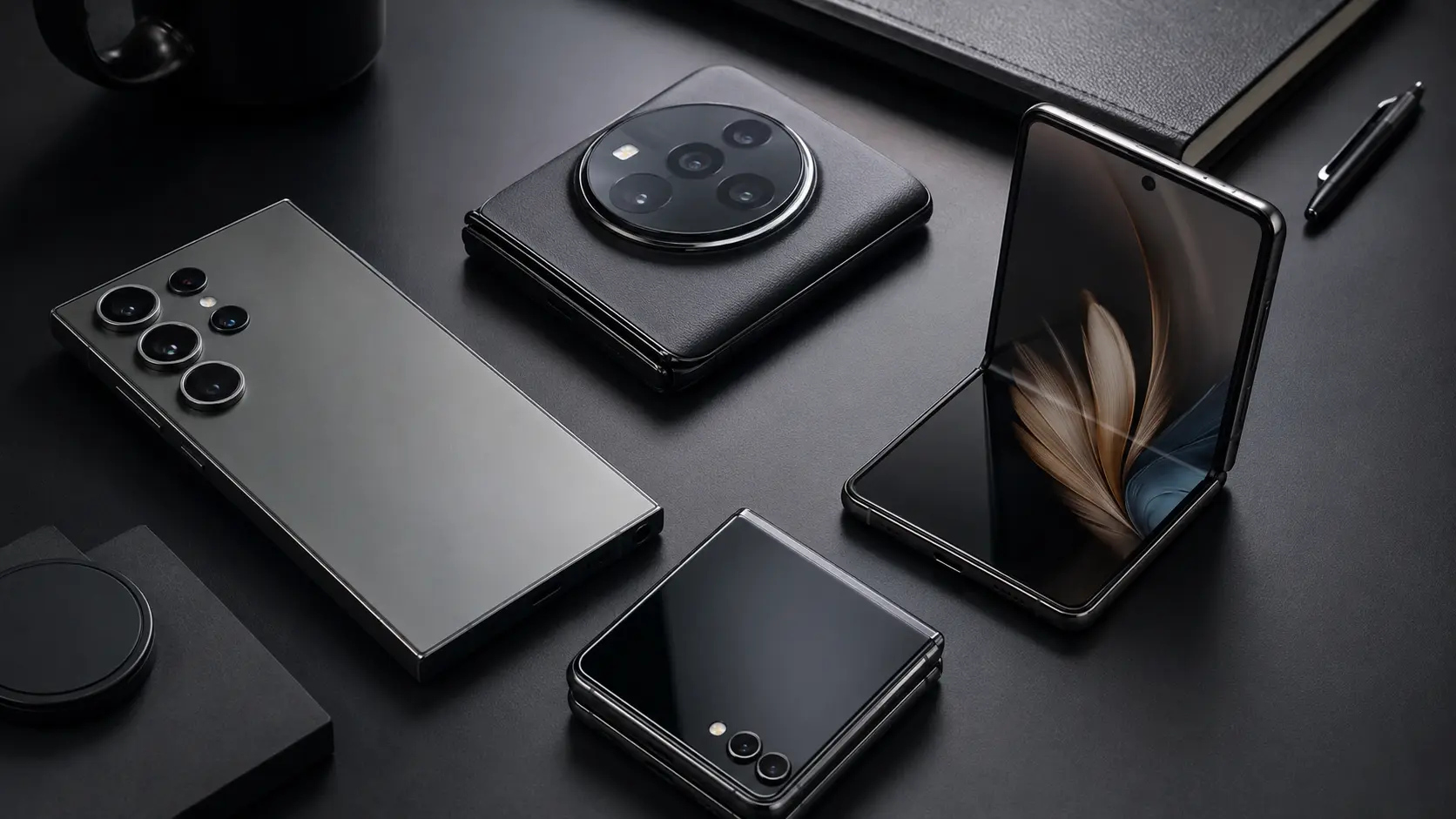
Choosing among the best phones in 2026 is less about finding one device that wins every category and more about finding the right balance of performance, camera quality, battery life, software, display and price. Flagship phones have become remarkably capable, while mid-range and value models now offer features that were previously reserved for expensive devices.
This guide focuses on the phones that stand out for different types of buyers, from people who want the best camera or gaming performance to those who want a reliable phone without spending flagship money. Prices can vary substantially by country, storage configuration, taxes and promotions, so treat listed prices as reference points rather than universal street prices.
Best Phones in 2026 at a Glance
| Phone | Best For | Standout Features |
|---|---|---|
| iPhone 17 Pro Max | Best overall iPhone | Camera, video, performance, ecosystem |
| Samsung Galaxy S26 Ultra | Best Android flagship | Camera versatility, display, S Pen, performance |
| Google Pixel 10 Pro XL | Best AI-focused phone | Computational photography and Google AI |
| Samsung Galaxy Z Fold 8 Ultra | Best foldable | Large display, multitasking, premium hardware |
| Google Pixel 10a | Best value camera phone | Camera processing and useful AI features |
| Fairphone Gen 6+ | Best repairable phone | Modular design, repairability and long-term support |
iPhone 17 Pro Max — Best Overall for Apple Users
The iPhone 17 Pro Max remains one of the strongest choices for buyers who want a premium phone with excellent performance, cameras, video recording and long-term software support. Apple’s current Pro lineup includes ProMotion displays, an aluminum unibody design and a Pro camera system. The Pro Max is available with up to 2TB of storage, making it particularly attractive to photographers, videographers and creators who store large amounts of media locally.
Apple lists the iPhone 17 Pro Max from $1,199 in the U.S., although actual prices vary with storage and promotions. The standard iPhone 17 starts at $799, providing a more affordable route into the current generation.
1. Why buy it?
- Excellent photo and video capabilities
- Strong performance for demanding apps and games
- High-quality OLED display with ProMotion
- Up to 2TB storage on the Pro Max
- Strong integration with Apple’s wider ecosystem
2. Who should buy it?
Choose the iPhone 17 Pro Max if video quality, dependable performance and the iOS ecosystem are more important to you than getting the lowest possible price.
Samsung Galaxy S26 Ultra — Best Android Flagship
For Android users, the Samsung Galaxy S26 Ultra is one of the most complete premium smartphones available in 2026. Its combination of a large 6.9-inch Dynamic AMOLED 2X display, 120Hz refresh rate, S Pen support and multi-camera system makes it suitable for productivity, photography, entertainment and creative work. Samsung lists a 200MP main camera alongside 50MP and 10MP telephoto hardware, with optical zoom options extending to 3x and 5x.
The phone is also available in multiple storage configurations. Samsung Pakistan currently lists the 256GB, 512GB and 1TB variants, with prices changing according to promotions and configuration. Its current Pakistan listing shows the 1TB version at Rs. 524,599 during the listed promotion, while the 256GB version is lower.
1. Why buy it?
- Excellent zoom flexibility
- Large, sharp 120Hz display
- S Pen for notes and productivity
- Powerful flagship hardware
- Strong camera versatility
2. Who should buy it?
The S26 Ultra is a particularly good fit if you want a premium Android phone and regularly use the camera, multitask, consume media or take handwritten notes.
Google Pixel 10 Pro XL — Best for AI and Computational Photography
Google’s Pixel Pro phones take a different approach to smartphone photography. Instead of relying only on camera hardware, they combine sensors with computational photography and AI-based processing.
The Pixel 10 Pro XL is a strong option for users who prioritize portraits, automatic image processing and Google’s software experience. Current expert testing continues to place Google’s Pro models among the leading choices for photography and AI-oriented smartphone features.
Its biggest advantage is not necessarily raw specifications. It is the way hardware, Google’s image processing and software features work together.
1. Why buy it?
- Excellent computational photography
- Useful AI-driven features
- Clean Android experience
- Strong portrait photography
- Particularly attractive for Google service users
2. Who should buy it?
Pick the Pixel Pro XL if you want a phone that makes photography easy and places software intelligence and AI features near the center of the experience.
Samsung Galaxy Z Fold 8 Ultra — Best Foldable Phone
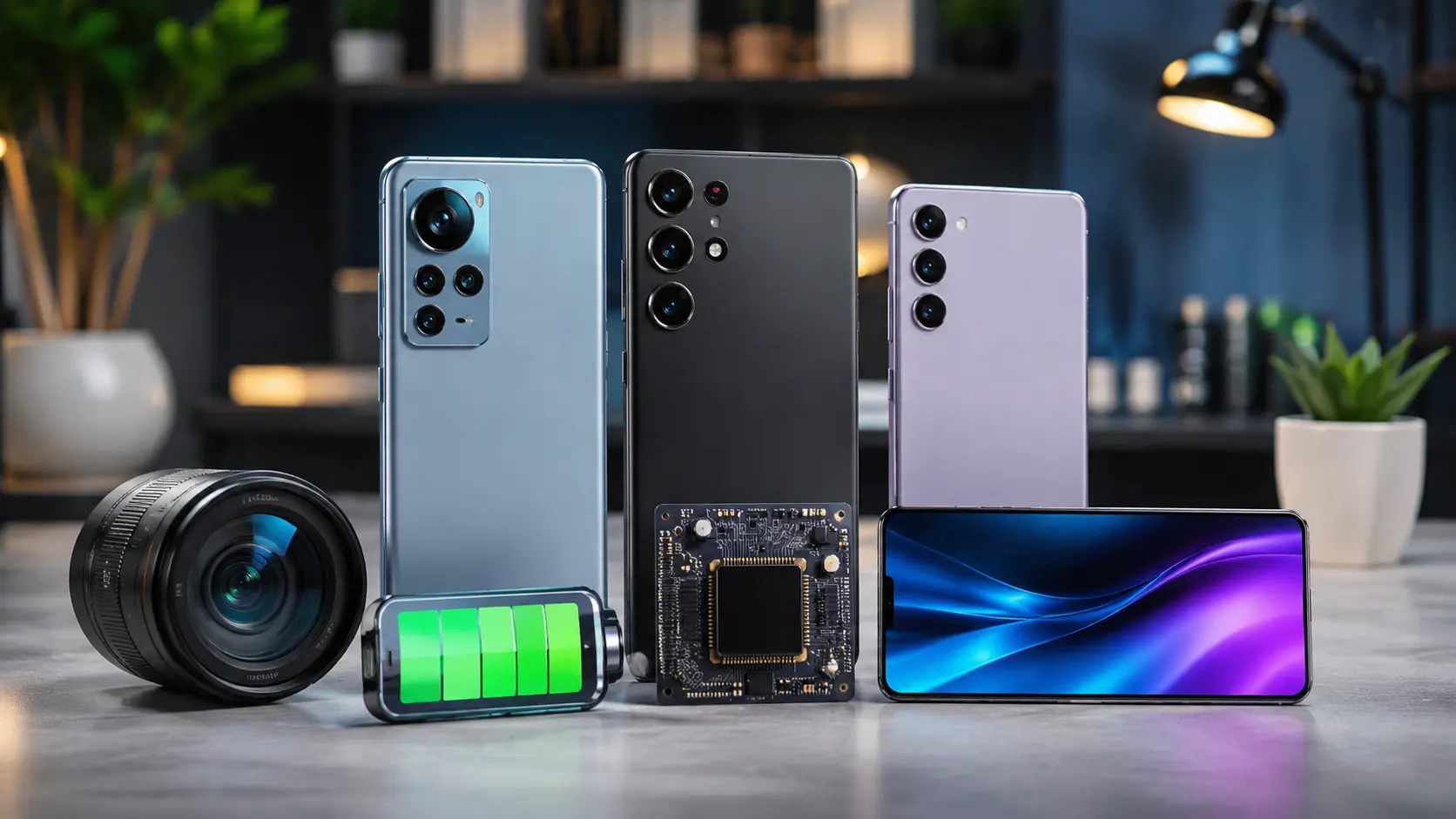
Foldable phones have matured considerably, and the Galaxy Z Fold 8 Ultra represents the premium end of this category. Its main advantage is simple: it can function as a conventional smartphone when closed and a much larger productivity and entertainment device when opened.
That makes a foldable particularly useful for multitasking. You can keep a browser, messaging app, document or video open on a larger display without carrying a separate tablet.
The trade-off is price. Foldables remain significantly more expensive than conventional smartphones, and their unusual form factor is not necessary for everyone. Current expert roundups place Samsung’s latest Fold generation among the leading premium foldables.
1. Why buy it?
- Large screen in a pocketable design
- Excellent for multitasking
- Useful for documents and media
- Premium flagship performance
- More flexible than a conventional phone
2. Who should buy it?
A Fold makes sense for professionals, frequent multitaskers and users who genuinely benefit from a larger screen. If you mainly use messaging, social media and calls, a conventional flagship will usually provide better value.
Google Pixel 10a — Best Value-Oriented Camera Choice
You do not need to spend over $1,000 to get a phone with a capable camera. Google’s affordable Pixel models demonstrate how software processing can help less expensive hardware produce competitive photographs.
The Pixel 10a has been highlighted among budget-friendly camera choices in current 2026 testing. Its appeal comes from combining Google’s photography processing and AI features with a considerably lower price than premium Pro models.
1. Why buy it?
- Strong camera processing for its class
- Useful AI features
- Lower cost than flagship Pixels
- Good everyday smartphone experience
2. Who should buy it?
It is a sensible choice for students, casual photographers and anyone who wants a capable camera phone without paying flagship prices.
Fairphone Gen 6+ — Best for Repairability
Not everyone measures a phone by camera megapixels or benchmark performance. Some buyers care more about repairability, longevity and reducing electronic waste.
The Fairphone Gen 6+ takes a different approach. According to current reporting, the phone offers a 10/10 repairability score from iFixit, a five-year warranty and software updates promised through 2033. Its modular construction allows users to replace components such as the screen, battery and USB-C port rather than automatically replacing the entire phone.
The reported U.S. price is $650, placing it below many premium flagships.
1. Why buy it?
- Highly repairable design
- Replaceable components
- Long software-support commitment
- More sustainability-focused approach
2. Who should buy it?
Choose Fairphone if repairability and long-term ownership matter more to you than having the fastest processor or most advanced camera system.
Read More: 425 Degree
What Should You Look for When Buying a Phone in 2026?
1. Performance
For everyday tasks, you do not necessarily need the most powerful processor available. Social media, web browsing, video streaming and office applications can run well on many mid-range devices.
Gamers and professional users should pay closer attention to the processor, GPU performance, RAM, cooling and sustained performance rather than relying only on a headline benchmark score.
2. Camera Quality
Do not choose a camera phone solely because it has the highest megapixel count. Image processing, sensor size, stabilization, autofocus, lens selection and video capabilities can have a greater effect on real-world results.
If you frequently photograph distant subjects, prioritize a good telephoto camera. For video, stabilization and consistent exposure may matter more than still-image resolution.
3. Battery Life and Charging
Battery capacity is only part of the equation. Screen size, processor efficiency, software optimization and your usage habits all affect endurance.
If you spend much of the day away from a charger, look for phones known for strong real-world battery life. Fast charging is useful, but it should complement good endurance rather than compensate for poor battery efficiency.
4. Display
A 120Hz refresh rate can make scrolling and animations feel smoother, while OLED or AMOLED panels provide excellent contrast. However, brightness and outdoor visibility are also important, especially if you regularly use your phone outside.
5. Storage
For most users, 256GB is a comfortable starting point on a premium phone. Heavy photographers and video creators may benefit from 512GB or more.
Remember that some phones do not offer expandable storage, so buying too little storage can become inconvenient later.
Are Expensive Flagship Phones Worth It?
Not always.
A $1,000-plus flagship can make sense if you need advanced cameras, premium displays, maximum performance, long-term support or specialized features such as an S Pen or foldable display.
For ordinary communication, streaming, browsing and social media, a good mid-range phone can be a much smarter purchase.
The key is to identify which features you will actually use. Paying extra for hardware that sits unused is not the same as buying a better phone.
How to Choose the Best Phone for Your Needs
Use this simple approach:
- Set your real budget. Include accessories, storage and taxes where applicable.
- Choose your priority. Camera, gaming, battery, productivity, software or value.
- Decide between iPhone and Android. Your existing ecosystem can make this decision easier.
- Compare storage options. Avoid choosing the cheapest configuration automatically.
- Check local availability and warranty. Imported phones can have different network, warranty or software considerations.
- Compare the actual purchase price. Promotions and trade-in offers can change the value dramatically.
- Consider how long you plan to keep it. A phone that costs more but remains useful for several additional years may offer better value.
FAQ’s
What is the best phone in 2026?
There is no universal winner, but the iPhone 17 Pro Max and Samsung Galaxy S26 Ultra are among the strongest choices for buyers seeking premium all-around performance. The better option depends mainly on whether you prefer iOS or Android and which features matter most.
Which phone has the best camera in 2026?
The iPhone 17 Pro Max and Galaxy S26 Ultra are leading choices for different reasons. Current testing also places Google’s Pixel Pro models strongly in computational photography, while Samsung offers particularly versatile zoom hardware.
Is the Galaxy S26 Ultra worth buying?
It can be, particularly if you want a large 120Hz display, versatile cameras, S Pen functionality and high-end Android performance. Its value depends on the price available in your market.
Is an iPhone better than Android?
Neither platform is objectively better for everyone. iPhone is attractive for users invested in Apple’s ecosystem, while Android offers more hardware variety, customization and form-factor choices.
How much phone storage do I need?
For many users, 256GB is a practical starting point. People who record a lot of 4K video, store large games or keep extensive offline media should consider 512GB or more.
Are foldable phones worth the extra money?
They can be worthwhile if you regularly use the larger internal display for multitasking, documents or entertainment. If you do not need that functionality, a conventional flagship generally offers better value.
Should I buy a flagship or mid-range phone?
Buy a flagship when you need premium cameras, maximum performance, advanced displays or specialized features. Otherwise, a quality mid-range phone may provide everything you actually need at a much lower price.
Conclusion
The best phones in 2026 are increasingly differentiated by what they are designed to do rather than by basic smartphone capability. The iPhone 17 Pro Max is a strong premium choice for Apple users, while the Galaxy S26 Ultra offers one of the most complete Android packages. Google’s Pixel Pro models appeal to photography and AI enthusiasts, foldables provide a unique productivity experience, and value-oriented phones can deliver excellent everyday performance without flagship pricing.
Before buying, focus on your actual usage rather than the longest specification sheet. Compare camera performance, battery life, software support, storage, warranty and the price you can get locally. The best phone is ultimately the one whose strengths match the way you use it.
