

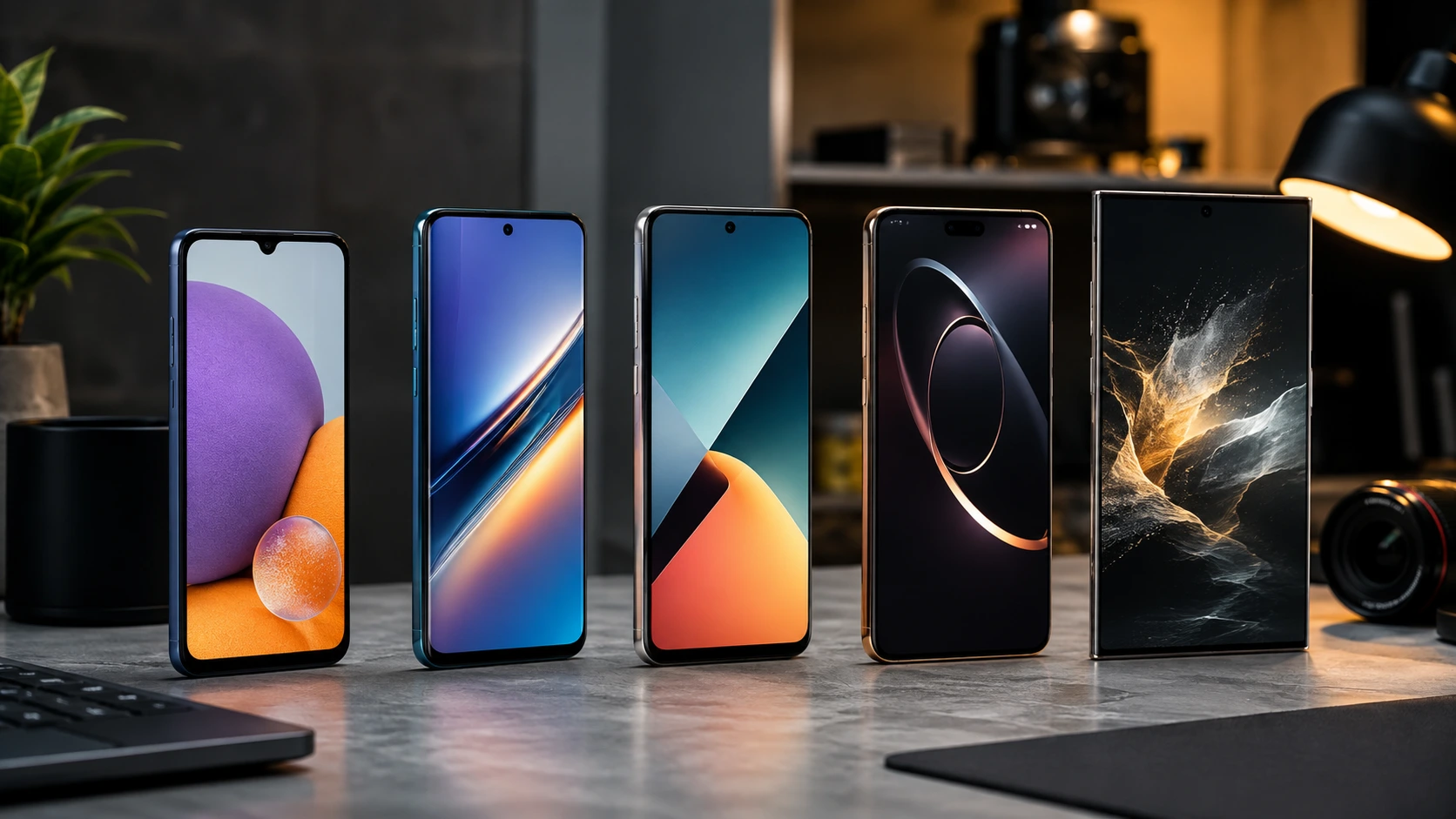
Choosing the best gadgets in 2026 is less about buying the newest device and more about finding technology that genuinely improves everyday life. Smartphones are becoming smarter, laptops are increasingly optimized for AI workloads, wearables are more capable, and smart-home devices are easier to connect than ever.
But a larger selection also creates a bigger problem: which gadgets are actually worth buying?
This guide focuses on the features that matter when comparing modern technology, from performance and battery life to software support, connectivity, portability, privacy, and long-term value. Instead of treating every new release as an automatic upgrade, use these criteria to identify gadgets that fit your needs and budget.
What Makes a Gadget Worth Buying in 2026?
A good gadget should solve a real problem rather than simply add another device to your collection. The strongest products combine useful hardware with mature software and reliable connectivity.
1. Meaningful Performance
Performance remains important, but raw specifications do not tell the entire story. A device should feel responsive during the tasks you actually perform.
For a laptop, that could mean smooth multitasking, fast application launches, efficient creative workloads, and dependable performance while using AI-assisted tools. For a phone, responsiveness, camera processing, gaming performance, and battery efficiency may matter more.
2. Useful Smart Features
AI is becoming a common feature across consumer electronics. However, an AI function is valuable only when it saves time or improves an existing workflow.
Look for practical features such as intelligent photo editing, transcription, summarization, search assistance, translation, personalization, and automation rather than choosing a product simply because its marketing mentions AI.
3. Long-Term Usability
A gadget should remain useful after the initial excitement disappears. Software updates, accessory compatibility, repairability, battery longevity, storage, and ecosystem support can have a major impact on ownership value.
A slightly older device with dependable software support can sometimes be a better purchase than a newer product with features you will rarely use.
Best Gadget Categories to Consider in 2026
Different types of gadgets serve different purposes. The best choice depends on your daily routine and the problems you want technology to solve.
1. Smartphones
The smartphone remains one of the most important personal gadgets. A strong 2026 phone should balance performance, camera quality, battery endurance, display quality, connectivity, and software.
When comparing phones, consider more than megapixels or processor names. Camera consistency, image processing, display readability, charging convenience, storage, and software support can have a bigger effect on daily satisfaction.
For many buyers, the best smartphone is the one that fits naturally into the devices and services they already use.
2. Laptops and Portable Computers
Laptops continue to serve as the primary productivity device for students, professionals, developers, creators, and business users.
When choosing one, prioritize the processor platform, RAM, storage, display, keyboard, trackpad, battery expectations, ports, and weight. Users working with video, photography, 3D applications, or demanding development tools should pay particular attention to sustained performance and graphics capability.
AI-focused features can also be useful, but they should complement the laptop’s core capabilities rather than become the only reason to buy it.
3. Smartwatches and Fitness Wearables
Smartwatches have evolved beyond notifications and step counting. Depending on the model, they can provide activity tracking, workout information, communication tools, navigation, and health-related measurements.
The most important consideration is compatibility. A feature-rich watch may not be a good choice if it does not integrate properly with your phone.
Battery life is another practical factor. A watch that requires frequent charging may become inconvenient regardless of how many features it offers.
4. Wireless Audio Gadgets
Wireless earbuds and headphones are among the easiest gadgets to use every day. Improvements in active noise cancellation, microphone quality, transparency modes, battery management, and multipoint connectivity make modern models increasingly versatile.
For frequent travelers or remote workers, microphone performance and noise control can be just as important as sound quality.
5. Smart-Home Devices
Smart speakers, displays, lighting systems, security devices, streaming equipment, and connected appliances can make routine tasks more convenient.
However, compatibility should come first. Before purchasing a smart-home gadget, check which platforms it supports and whether it can communicate with your existing devices.
A smaller ecosystem that works reliably is generally more useful than a collection of incompatible products.
Features to Compare Before Buying
A gadget’s specification sheet is useful, but understanding what each specification means is more important.
1. Battery Life and Charging
Battery claims should be treated as an estimate rather than a guarantee. Real-world endurance depends on screen brightness, connectivity, applications, workload, and settings.
Also consider charging speed, charging accessories, wireless charging support, and whether the device uses a convenient charging standard.
2. Display Quality
For phones, tablets, laptops, and monitors, display quality affects nearly every interaction.
Resolution is only one factor. Brightness, refresh rate, contrast, color accuracy, viewing angles, and screen size can all influence the experience. A high-refresh display may be especially useful for gaming and scrolling, while color accuracy matters more to photographers and designers.
3. Connectivity
Modern gadgets increasingly depend on wireless connectivity and ecosystem integration. Check support for the standards and accessories you actually use.
For laptops and tablets, physical ports can also matter. A thin device may look attractive, but limited connectivity can become frustrating if you frequently connect external storage, displays, cameras, or other peripherals.
4. Software and Updates
Hardware gets attention, but software determines how a device behaves over time.
Before buying, investigate the manufacturer’s approach to operating-system updates, security updates, application compatibility, and ecosystem integration. A device with strong long-term software support can provide better value than one that becomes outdated quickly.
Read More: Best Phones Under Every Budget in 2026
How to Choose the Right Gadget for Your Needs
There is no universal “best gadget.” The right purchase depends on how you intend to use it.
1. Define the Main Problem
Start with a simple question: What do I need this gadget to do?
If you need a computer for office work, prioritize reliability, keyboard quality, battery life, and multitasking. If you are buying a camera-focused phone, concentrate on imaging performance. If your goal is smart-home automation, compatibility should be near the top of your list.
2. Set a Realistic Budget
A higher price does not automatically mean better value.
Create a budget before comparing products and identify which features justify spending more. Premium hardware may make sense for demanding professional workloads, while a mid-range device can be a smarter choice for everyday tasks.
Remember to account for accessories, storage, subscriptions, cases, chargers, and replacement costs.
3. Think About Your Existing Ecosystem
Compatibility can simplify ownership. If you already use a particular operating system, cloud service, or smart-home platform, staying within that ecosystem may provide smoother synchronization.
That does not mean you should never switch platforms, but the benefits of interoperability should be considered before purchasing.
4. Consider the Ownership Experience
Look beyond the day of purchase. Think about software updates, warranty coverage, accessories, repairs, battery replacement, storage limitations, and resale value.
A gadget that remains dependable for years can be more economical than repeatedly replacing cheaper products.
Common Buying Mistakes to Avoid
Technology shopping becomes easier when you know what not to do.
1. Buying Based Only on Specifications
A larger number is not automatically better. More RAM, higher camera resolution, or a faster refresh rate may have limited practical value depending on your workload.
Evaluate how specifications affect your actual use.
2. Chasing Every New Release
New products can offer worthwhile improvements, but annual upgrades are not always necessary. If your current device performs well and receives appropriate software support, waiting can sometimes provide better value.
3. Ignoring Compatibility
Before purchasing accessories, wearables, smart-home products, or peripherals, confirm that they work with your existing devices.
Compatibility problems can turn an apparently good deal into an expensive inconvenience.
4. Forgetting Privacy and Security
Connected gadgets can collect significant amounts of information. Review privacy controls, account security, permissions, and update policies before bringing a new connected device into your home.
Quick Comparison Guide
| Gadget Category | Prioritize | Ideal For |
|---|---|---|
| Smartphone | Camera, battery, display, software | Everyday communication |
| Laptop | Performance, portability, battery | Work and productivity |
| Smartwatch | Compatibility, battery, features | Fitness and notifications |
| Earbuds | Sound, ANC, microphone, comfort | Travel and calls |
| Smart-home device | Compatibility, reliability, security | Home automation |
FAQ’s About Best Gadgets in 2026
What are the best gadgets in 2026?
The best gadgets depend on your needs. Strong choices generally combine useful features, reliable performance, good software support, practical battery life, and compatibility with your existing technology.
Should I buy the newest gadget available?
Not necessarily. A recent model is worth considering when it introduces improvements that matter to your usage. Otherwise, an older generation can provide better value.
Are AI features important when buying gadgets?
AI features can be useful when they provide practical benefits such as automation, editing, summarization, translation, or intelligent search. They should be evaluated alongside the device’s fundamental performance and usability.
What should I check before buying a new gadget?
Check performance, battery life, software support, compatibility, connectivity, warranty, storage, accessories, and the total ownership cost.
Are expensive gadgets always better?
No. Premium devices often offer better materials, performance, displays, cameras, or specialized capabilities, but those advantages may not matter to every user. Value depends on how well the product matches your needs.
How can I avoid wasting money on technology?
Define your main use case first, set a budget, compare meaningful features, verify compatibility, and consider long-term software and support before purchasin.
Conclusion
The best gadgets in 2026 are not necessarily the most expensive or the newest products. They are the devices that provide meaningful improvements without creating unnecessary complexity.
Focus on your actual needs, then compare performance, battery life, software support, compatibility, privacy, and long-term value. Whether you are choosing a smartphone, laptop, wearable, audio device, or smart-home product, a needs-first approach makes technology shopping far more predictable.
The smartest purchase is ultimately the gadget you will use frequently, rely on confidently, and still find useful long after the novelty has worn off.
