


Choosing the best camera phones 2026 has to offer is no longer a simple Apple-versus-Samsung question. The most interesting camera hardware now comes from OPPO, vivo and Xiaomi, while Google and Apple keep winning on processing, video and consistency.
This guide ranks the top camera phones of 2026 using published lab scores, reviewer shootouts and real-world usability — so you can match the right sensor, lens system and processing stack to the way you actually shoot. For the full flagship picture, see our top 10 smartphones of 2026 with honest reviews and specs.
Quick Answer: The Best Camera Phones of 2026
Best overall for most people: Google Pixel 10 Pro — the most reliable point-and-shoot camera you can buy, backed by a DXOMARK score of 163, the highest of any phone sold through normal US retail.
Best for video: iPhone 17 Pro Max — DXOMARK 168, triple 48MP cameras, ProRes Log recording and the deepest creator app ecosystem on any phone.
Best for zoom: Samsung Galaxy S26 Ultra — a 200MP f/1.4 main sensor with dedicated 3x and 5x telephoto lenses, giving the widest optical range on a mainstream Android phone.
Best budget pick: Google Pixel 9a — around $499, with computational photography that beats far more expensive hardware in everyday and low-light shots.
Most ambitious camera hardware: OPPO Find X9 Ultra — dual 200MP Hasselblad cameras and a native 10x optical telephoto, though US availability is messy.
What Makes a Great Camera Phone in 2026?
Modern phone cameras are as much software as hardware. The best ones combine a large main sensor for light and detail, a versatile set of lenses, real optical or periscope zoom, and computational photography — the on-device processing that merges frames for clean night shots, balanced HDR and accurate color.
When you compare phones, weigh four things. Main sensor size matters because bigger sensors gather more light for better low-light shots and natural background blur. Lens range matters because an ultra-wide and a telephoto give you flexibility a single lens cannot.
Zoom is where marketing lies hardest: optical and periscope zoom keep real detail, while digital zoom just crops. And pro features like RAW capture, manual controls and ProRes or Log video matter if you edit seriously.
One more truth the spec sheets hide: megapixel counts are pixel-binned before you ever see an image, so a 200MP sensor is not capturing 200 million points of real detail. The Pixel 10 Pro XL outscores the 200MP Galaxy S26 Ultra in lab tests with a 50MP main sensor — processing decides how close a phone gets to its sensor’s ceiling.
Best Overall: Google Pixel 10 Pro
The Pixel 10 Pro is the most reliable point-and-shoot in your pocket. It produces a great photo almost every time thanks to Google’s class-leading computational photography — natural color, wide dynamic range, accurate skin tones and superb Night Sight in low light.
Lab evidence backs it up. DXOMARK scored the Pixel 10 Pro XL at 163 overall (photo 165, main camera 173), ranking it fourth in the world at the time of testing — behind three phones no US buyer can walk into a store and purchase. Strip those out and it tops the retail leaderboard.
The interesting structural point is that DXOMARK measured real gains over the Pixel 9 Pro XL despite largely carried-over camera modules. The improvement came from the Tensor G5 processing stack, not new glass — the whole Pixel thesis in one sentence, and why the phone is so forgiving.
Helpful AI features like Best Take, Magic Editor and Camera Coach genuinely improve shots, and seven years of Pixel Drops keep the camera gaining capability. The honest caveats: video is its weakest component score, and “Pro Res Zoom” at extreme range is generative reconstruction — DPReview caught it inventing detail, so judge the phone on its real 5x optical reach.
Best for Video: iPhone 17 Pro Max
No phone beats the iPhone for video. The 17 Pro Max extends that lead with excellent stabilization, ProRes and Log recording, and the most reliable, true-to-life footage you can shoot on a phone — the choice for hybrid creators and anyone invested in Apple.
The triple 48MP array is the most coherent lens set in the category: three matched-resolution sensors mean switching focal lengths does not produce the jarring quality drop you get from phones with a token 12MP ultra-wide bolted on. Apple quotes 4x and 8x optical reach, plus an 18MP Center Stage square selfie sensor.
What lab scores miss is the workflow. Working videographers keep landing on iPhones for codec support, color consistency across lenses, the Log capture pipeline and a third-party app ecosystem with years more attention than Android’s equivalent. Add Dolby Vision HDR and Spatial Video and it is the most capable 4K camera phone for creators.
It is also the priciest mainstream pick at $1,199, and its intermediate zoom trails the dedicated zoom leaders. But if video is the job — social content, family films, professional work — this is the safest recommendation in 2026.
Best for Zoom: Samsung Galaxy S26 Ultra
The Galaxy S26 Ultra is the most flexible camera system on a mainstream phone. A refined 200MP main camera with a faster f/1.4 lens pairs with a 50MP ultra-wide, a 10MP 3x telephoto and a 50MP 5x periscope built around Samsung’s new ALoP prism mechanism — genuine reach for wildlife, sports, travel landmarks and stage performances.
Here is the tension, printed openly: DXOMARK ranked it 18th globally with 157 points, behind the Pixel and both iPhone Pros, flagging autofocus struggles in low light and difficult HDR. More lenses do not automatically mean a higher score, because video weight and focus misses drag the composite down.
Both things are true at once. If your photography is defined by reach, the S26 Ultra gives you more usable optical range than anything else at US retail — and reach is a hardware problem processing cannot fully solve. If your photography is defined by getting the everyday shot right, two other phones on this page do it better.
Ignore the 100x “Space Zoom” figure: optical reach stops at the 5x periscope and everything beyond is crop and upscale. Buy on the real focal lengths — 3x and 5x here — not the headline number. At $949.99 it is also the cheapest of the three flagships, with seven years of updates and Galaxy AI editing tools.
A More Ambitious Alternative: OPPO Find X9 Ultra
If long telephoto reach is the entire point, the OPPO Find X9 Ultra is the most aggressive camera-first phone of 2026: dual 200MP Hasselblad cameras plus a 50MP 10x optical telephoto with a 230mm equivalent focal length. That native 10x lens genuinely changes what you can shoot — travel, distant architecture, compressed-perspective shots.
The catch is practical, not optical. US availability, warranty support, carrier compatibility and reliable listings are messy for OPPO, vivo and Xiaomi flagships. For American buyers who want a phone they can order, return and support without import friction, the Samsung remains the cleaner recommendation.
Best for Portraits and Stills: vivo X300 Ultra
The vivo X300 Ultra is built like a photographer thinks: a 14mm ultra-wide, a 35mm ZEISS documentary camera on a 200MP Sony LYTIA sensor, and an 85mm ZEISS gimbal-grade APO telephoto with stabilization and AF tracking.
Those focal lengths are not marketing numbers. A 35mm field of view is excellent for people, travel, street scenes and food; an 85mm-style lens is ideal for portraits and subject isolation. Most phone makers still think in terms of “main camera plus zoom” — vivo is thinking in real photographic language.
For natural stills and portraits it may be the phone to beat in 2026, sitting just behind the OPPO on pure reach. The same availability caveat applies outside its core markets: check bands, warranty and seller reliability before importing.
Best for Enthusiasts: Xiaomi 17 Ultra
The Xiaomi 17 Ultra is the cleanest all-rounder among the exotic Android camera phones. Xiaomi lists a 50MP Leica main camera on a 1-inch sensor, a 50MP ultra-wide and a 200MP Leica 75-100mm telephoto with optical stabilization.
The 1-inch main sensor still matters in difficult light, the Leica tuning gives images a distinct look, and the 75-100mm telephoto range is practical for real-world photography — portraits, compression, product details, street scenes — without feeling like a gimmick lens.
It is less of a single-trick phone than zoom-heavy flagships, with excellent RAW output for anyone who edits seriously. If you want one Android phone that can plausibly handle almost everything photographic, compare this first against the OPPO and vivo.
Best Compact Camera Phone: Google Pixel 11 Pro
Compact flagships with serious cameras have almost disappeared, which makes the 6.3-inch, 204g Pixel 11 Pro special: it is the only small phone here with a true 5x optical periscope, so you keep real reach without carrying a 6.9-inch body.
Google’s big upgrade went into the telephoto — a sensor 71% larger than the previous generation — while the 2nm Tensor G6 runs Magic Editor, Best Take and Add Me entirely on-device. The 42MP autofocus front camera is the best selfie camera in its class, more than double the resolution of the next closest rival.
Seven years of OS, security and Feature Drop updates mean the camera keeps improving long after purchase. Just know the trade-offs: Tensor still trails Snapdragon and Apple silicon in raw benchmarks, and 30W wired charging is slow by 2026 flagship standards.
Best Budget Camera Phone: Google Pixel 9a
You do not need a flagship for great photos. The Pixel 9a brings Google’s computational magic to around $499, delivering images that punch far above its cost — widely reported as the best camera you can buy under $500, especially in low light where budget sensors usually collapse.
What you are buying is Google’s processing pipeline in a $499 body. What you give up is reach: with no telephoto, anything past the main lens is a crop, and a crop from a mid-range sensor degrades quickly. If much of your photography happens more than a few metres away, stretch to a Pro Pixel or accept the limit deliberately.
Prefer lens variety over the single best lens? The Samsung Galaxy A56 5G (roughly $385–$500 street) adds a 12MP ultra-wide and 5MP macro with OIS on its 50MP main — more ways to take a picture, though reviewer consensus puts it behind the 9a when light drops. Watch for grey-market import listings without US warranty.
Best Foldable Camera Phone: Honor Magic V5
The Honor Magic V5 turns the viewfinder itself into the feature. It is the thinnest book-style foldable you can buy at 8.8mm folded and 217g, yet it fits a 64MP periscope telephoto — a far higher-resolution zoom sensor than any other foldable, and more pixels than most slab flagships give their telephoto.
Both the 7.95-inch inner display and the 6.45-inch cover screen hit 5,000 nits, which makes framing and reviewing shots in direct sun easier than on anything else here. The cover display even lets you shoot selfies with the full rear camera array.
On a tighter budget, the Honor Magic V3 at A$999 is the standout value foldable: a 7.92-inch viewfinder, a 50MP 3.5x periscope and a 50MP f/1.6 main with OIS — the only phone under A$1,000 here with a genuine periscope. Note the shorter update window than Samsung, Google and Apple’s seven-year commitments.
Best Camera Phone for Low-Light Photography
Night photography is difficult because the camera has less light to work with. A good low-light phone preserves detail, controls bright highlights and produces sensible color — rather than simply making every night shot look artificially brighter.
Hardware only tells part of the story since modern phones depend heavily on computational processing. Independent reviewers found the Pixel beating the previous-generation iPhone in low light, while DXOMARK’s testing says the Galaxy S26 Ultra still trails both iPhone Pro models after dark — lab charts and real frames do not always agree, so compare representative photos, not megapixels.
Pay attention to stabilization and motion handling too, especially with people in the frame, and to consistency between shots. Large sensors help — the Xiaomi 17 Ultra’s 1-inch main and the S26 Ultra’s f/1.4 aperture gather meaningfully more light — but processing decides what that light becomes.
New vs Refurbished: Should You Buy Last Year’s Flagship?
A new flagship does not suddenly make its predecessor poor at photography. The Galaxy S25 Ultra still carries a 200MP main sensor and dual telephoto lenses a year after launch, and a refurbished iPhone 16 Pro Max gets you Apple’s 5x periscope, Camera Control button and Photonic Engine for roughly A$430 less than the 17 Pro Max.
Buy the latest generation when its camera improvements solve a problem you genuinely have — advanced zoom you will actually use, meaningfully better night shooting, newer video capabilities. Otherwise a previous-generation flagship often gives the better balance of camera capability and cost.
If you go refurbished, check device condition or grade, battery health information, warranty length, returns policy and network status before paying. The goal is not simply a flagship name for less — the phone’s condition and camera capabilities should make sense for the price.
How to Choose a Camera Phone for What You Shoot
Start with your subjects, not the spec sheet. A feature essential for one photographer adds little value for another — and matching the phone to your habits can save you serious money.
- Children and pets: fast, reliable capture and motion handling — Pixel’s computational speed shines here.
- Travel: strong main camera, ultra-wide and useful zoom — the S26 Ultra’s four-lens array is built for this.
- Portraits: natural skin tones and subject separation — vivo’s 85mm ZEISS approach is the specialist pick.
- Night scenes: low-light processing and stabilization over raw megapixels.
- Distant subjects: a capable telephoto — judge the optical stops you will actually use.
- Social content and video: reliable front and rear cameras plus video consistency — iPhone territory.
- Everyday moments: dependable point-and-shoot results with zero fiddling — Pixel again.
If you rarely use zoom, paying considerably more for a sophisticated periscope system buys you little. If you regularly photograph wildlife, performances or distant subjects, that same feature could be the main reason to choose a particular phone.
Mistakes to Avoid When Buying a Camera Phone
Buying for the biggest zoom number is the single most common error. 100x Space Zoom, 100x Pro Res Zoom, 40x digital — these are crops fed through upscalers, and at the top of the range the upscaler generates detail rather than resolving it. Buy on optical reach instead.
Trusting the megapixel argument is the second. The 200MP Galaxy S26 Ultra ranks below the 50MP Pixel 10 Pro XL in lab testing, because pixel-binning and processing matter more than the count. If megapixels decided outcomes, the leaderboard would look very different.
Assuming software alone decides everything misses the other half of the equation. Computational photography matters enormously, but there is still no substitute for useful focal lengths, a strong main sensor, stable optics, restrained processing and a telephoto that does more than decorate the spec sheet.
Finally, do not assume a phone replaces a dedicated camera. Every phone here is remarkable for what it is, but none resolves detail at range like a real telephoto lens — and the further you push digital zoom, the more of the image is inference rather than capture.
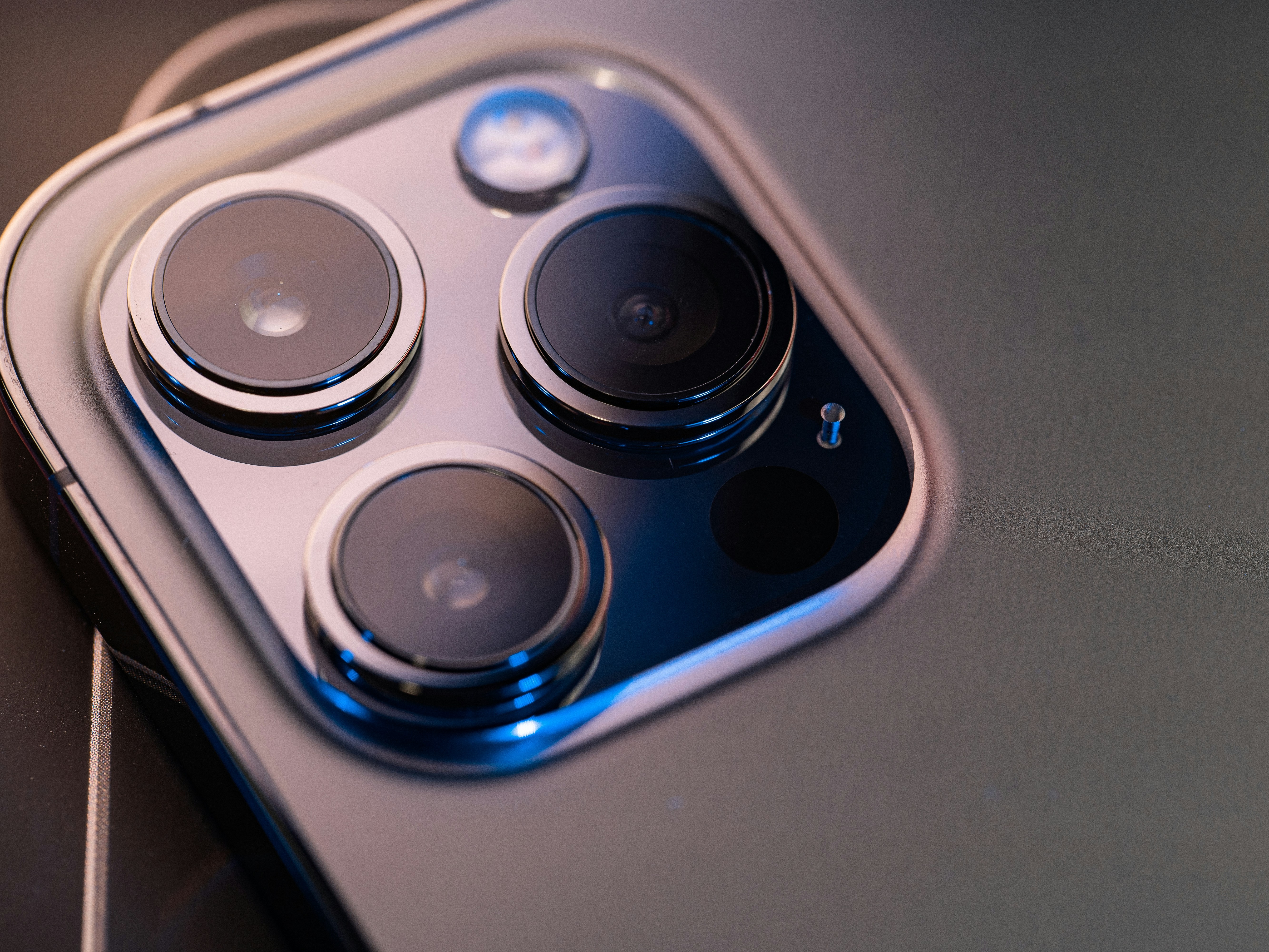
If camera hardware is only part of your decision, our smartphone reviews for 2026 — performance, camera and battery tested compare how these phones hold up as complete packages.
Frequently Asked Questions
Which phone has the best camera in 2026?
It depends on what you shoot. The Google Pixel 10 Pro is the best all-round photography phone thanks to its consistency and AI processing. The iPhone 17 Pro Max leads for video with a DXOMARK score of 168, the Galaxy S26 Ultra leads for zoom, and the OPPO Find X9 Ultra is the most ambitious camera-first hardware — if you can buy one in your region.
Which phone has the best zoom camera?
The Samsung Galaxy S26 Ultra offers the best usable zoom on a mainstream phone, with dedicated 3x and 5x telephoto lenses. For the absolute longest optical reach, the OPPO Find X9 Ultra’s native 10x telephoto (230mm equivalent) is unmatched — but it is hard to buy in the US.
What is the best budget camera phone?
The Google Pixel 9a at around $499. It brings Google’s flagship-level computational photography to a mid-range price, beating phones that cost much more — especially in low light. Just know it has no telephoto lens.
Is an iPhone or a Pixel better for photography?
The Pixel edges ahead for still photos thanks to its processing and AI tools; the iPhone is the better choice for video and for anyone in the Apple ecosystem. For most still-photo shooters, the Pixel takes the better picture with less effort.
What is the best camera phone for video?
The iPhone 17 Pro Max. Its triple 48MP system, ProRes Log recording, excellent stabilization and unmatched third-party creator app support make it the safest video recommendation — the least risky tool for people who shoot a lot of video.
What is the best Android camera phone in 2026?
If availability is no issue, compare the OPPO Find X9 Ultra, vivo X300 Ultra and Xiaomi 17 Ultra first — that is where the most interesting camera hardware lives. For a US-friendly Android phone that is easy to buy and support, the Google Pixel 10 Pro XL and Samsung Galaxy S26 Ultra are the practical choices.
Is optical zoom still better than AI zoom?
Yes, for serious photography. AI zoom can be useful for casual sharing, but real optical reach gives cleaner detail and more natural rendering. Extreme “100x” figures are mostly generative reconstruction — DPReview found AI zoom inventing misshapen subjects and garbled text — so treat phones like the OPPO Find X9 Ultra and Xiaomi 17 Ultra seriously precisely because their telephoto hardware is real.
