

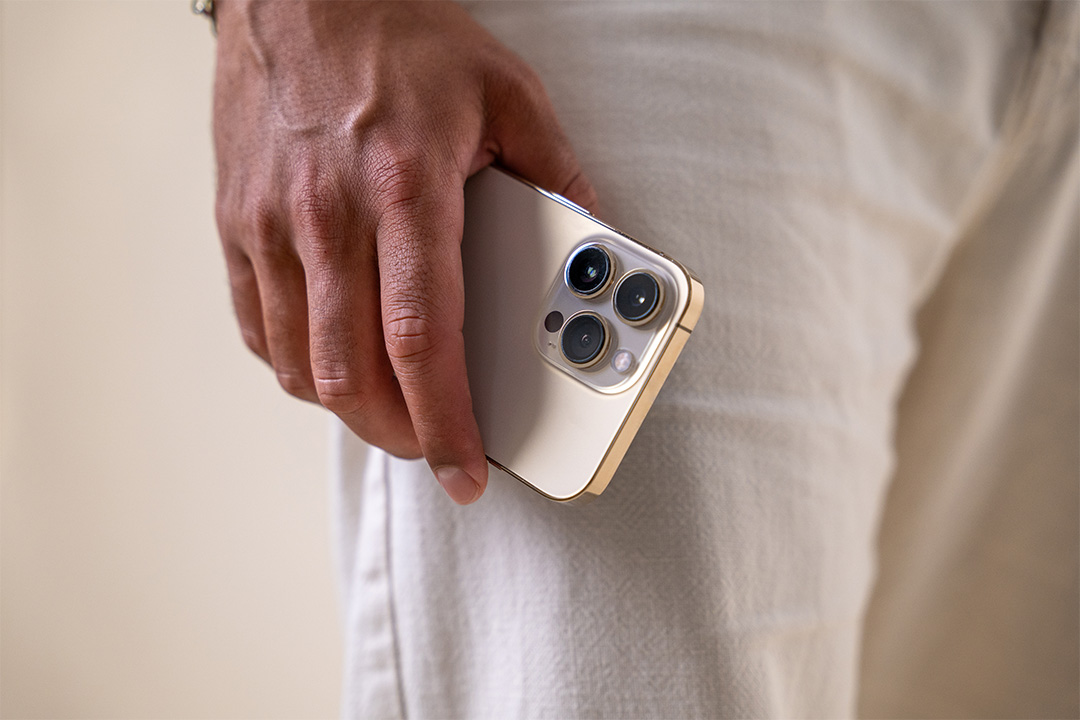
A $450 refurbished iPhone 15 handles 95% of daily life exactly like a $799 new one. That single comparison has changed how thousands of people shop for phones in 2026 — but refurbished is not automatically the right call for everyone. This guide lays out what “refurbished” really means, how much you can save, the checks that protect you, and the exact situations where buying new still wins.
What “Refurbished” Actually Means
The word “refurbished” is not a protected term — anyone can slap it on a listing. What actually separates a genuine refurbished phone from a used phone with nicer wording is paperwork: a written warranty you can claim, a transparent grade label, and a documented multi-point inspection. Refurbished flagships compete directly with new mid-rangers — compare prices in our best phones for every budget in 2026.
Reputable programs put every device through 25 to 40 inspection points covering the screen, cameras, buttons, speakers, microphones and modem, then back the result with 12 to 24 months of warranty. Manufacturer-certified programs go further still, replacing worn batteries and using genuine parts throughout.
You will also meet two neighboring labels. “Open-box” means returned shortly after purchase — essentially like-new at a small discount. Imported second-hand stock, by contrast, is usually sold exactly as it arrived, with no testing at all. Knowing which of the three you are looking at matters more than the price tag.
Why Refurbished Is the Smartest Buy in 2026
The math has become hard to ignore. The global refurbished smartphone market reached $69.66 billion in 2026, growing nearly 7% a year, and the $200–$350 tier alone accounts for 54% of all refurbished sales. Most savvy buyers are not choosing between a refurb and a new flagship — they are picking up a previous-generation flagship at mid-range money.
That trade routinely wins on hardware. A one- or two-generation-old flagship brings a better camera, a faster chip and longer remaining software support than a brand-new mid-range phone at the same price. iPhones are the classic example: years of iOS updates, strong resale value and a huge parts market make them the safest refurbished buy in the business.
Certification has closed the old trust gap. Professionally inspected devices arrive with the latest operating system installed, the previous owner’s data wiped clean, and warranty terms that now rival new-phone coverage from the big manufacturers.
How Much Money You Actually Save
Forget a single fixed percentage — savings depend on the model, its age and its condition. The gap is consistently widest on phones that are one or two generations old, which is exactly where the smart money goes.
Timing and grade multiply the deal. Buying 12 to 18 months after a flagship launch catches the steepest depreciation while software support is still long, and choosing Grade B over Grade A saves more with zero real-world downside once the phone lives in a case.
One rule protects your wallet above all: never pay near-new prices for a refurbished phone. If the battery is not at or near full health, the phone is not new — and it should not be priced like one.
Refurbished Grades Explained: A, B and C
Here is what sellers do not advertise: grades describe how a phone looks, not how it works. There is no universal standard — one seller’s Grade A is another seller’s Grade B — and a grade on its own says nothing about the battery inside.
That is why the grade should never be your deciding factor. A Grade A phone with a worn battery is a worse buy than a Grade B with a fresh one, and plenty of refurbishers quietly treat 80% battery health as their minimum without telling you.
On iPhones, the twenty-second check that beats any grade label lives in Settings > General > About > Parts and Service History. It shows exactly which components were replaced and whether the parts are genuine — information no grade sticker can provide.
Performance: Will You Notice a Difference?
For everyday use — calls, streaming, social media, navigation, photography and casual gaming — a certified refurbished phone is indistinguishable from a new one. Same chips, same storage, same logic board, same responsiveness.
The models that age best are the ones with long software runways. iPhones and recent Samsung Galaxy S devices keep receiving security updates for years, which is why they dominate refurbished best-buy lists — while budget phones that lose update support quickly are not worth buying second-hand at any price.
The honest limit is at the bleeding edge. If your work depends on the absolute latest silicon for intensive gaming or on-device AI features, that newest chip only ships inside a new box.
Battery Health: The Make-or-Break Check
Batteries are where refurbished deals are won or lost. Cosmetic condition and battery condition are completely separate things, yet sellers know most buyers conflate them — so make the battery a separate negotiation.
Ask directly what the battery tested at and whether it was replaced. A seller who cannot answer is grading by eye, not by testing. Replacement batteries are a normal, healthy part of refurbishment; what matters is whether the seller discloses the swap and whether the part is good quality.
Watch for one more trap: a non-genuine battery part can make the phone’s own battery-health reading unreliable. If the parts history and the seller’s story disagree, walk away no matter how attractive the price looks.
Warranty and Returns: What to Demand in Writing
A verbal “don’t worry, it has warranty” is worth nothing in week three. The written warranty is literally what separates a refurbished phone from a used one — no written warranty means you are buying used, and it should be priced like used.
Read the terms before you pay, because refurbished coverage is rarely as broad as new-phone coverage. Ask whether parts and labour are both covered for the full period, whether the battery and screen are included or only “hardware faults,” what voids the warranty — water damage and cracked screens almost always do — and where you physically take the phone for a claim.
Insist on a return window as well. Fourteen to thirty days is standard with reputable sellers, and you should buy from someone with a real, visitable location. Certified programs and established shops put all of this in writing; marketplace strangers do not.
The 5 Checks That Separate a Good Refurb From a Bad One
Run these five checks before money changes hands, whoever the seller is:
- Battery documentation. Get the tested health figure — or a confirmed replacement — in writing, not as a verbal promise.
- Written warranty and return window. Terms you can read before paying, with a clear claims process and a real location behind it.
- Honest grading. Cosmetic wear described plainly, not hidden behind euphemisms. Vague grading is a red flag.
- A clean data slate. Factory reset completed and the previous owner’s account fully removed, so the phone is ready for your own passcode and biometric setup.
- Unlocked status. Confirm it works with any carrier. Locked phones limit your flexibility and crush resale value.
When Buying New Is the Smarter Move
New wins on certainty. You start at 100% battery health, which matters most if you keep phones for four or five years, and you get the full, untouched support window from the very first day.
It also wins when only the newest hardware will do. The latest camera sensors and AI chips debut in new models first, and when a sealed box matters — gifts, corporate purchases — nothing else substitutes.
Finally, do the math on budget models. When a new phone’s price sits close to its refurbished equivalent, the new device’s full manufacturer warranty usually makes it the better buy.
Where to Buy: Choosing a Seller You Can Trust
Rank sellers by the protection they offer. Dedicated refurbishers and manufacturer-certified programs test, grade and warrant every device with terms in writing. Established shops with physical locations come next. Private marketplace sellers offer the least protection — acceptable only if you run every check yourself.
The red flags are consistent everywhere: no written warranty, no return window, vague grading, refusal to let you test the device, or a story that contradicts the phone’s own parts history. Any single one is a walk-away signal.
Buyer behavior confirms the pattern. Surveys show around 70% of refurbished buyers prefer specialized retailers, driven mostly by perceived reliability and stronger warranty benefits.
The Environmental Case for Refurbished
This is one of the rare cases where self-interest and sustainability point the same way. The circular-tech movement keeps capable devices in use instead of manufacturing replacements, and a refurbished market worth tens of billions of dollars — still growing every year — proves this is mainstream behavior, not a niche.
Extending a phone’s usable life by two or three years sidesteps the manufacturing footprint of a new device entirely. Industry programs and government initiatives around circular electronics keep pulling more manufacturers into certified refurbishment, which keeps raising quality across the market.
You spend less, a good phone stays in use longer, and fewer devices get discarded early. Few tech choices align the wallet and the planet this neatly.
Data Security: Wiping and First Setup
A proper refurbishment ends with the software wiped clean and the latest operating system installed — but verify it yourself. The previous owner’s Apple ID or Google account must be fully removed and the phone factory reset; a device still tied to someone else’s account cannot be set up and may be stolen.
On arrival, set up your own defenses immediately: a strong passcode, biometric unlock, and Find My Device. And if you are selling your old phone onward, remember that simply deleting files is not enough — a full reset followed by overwriting the storage is the safe standard.
Making Your Refurbished Phone Last for Years
Start with the right model. Choose one with years of security updates still ahead of it — iPhones, recent Galaxy S phones and Pixels — because an unsupported phone is a security risk that no accessory can fix, especially if you run banking apps on it.
Then protect the investment physically and contractually. A quality case and screen protector erase the cosmetic difference between grades on day one, and knowing your warranty’s claim process before you ever need it turns a future repair from a crisis into an errand.
Common Mistakes Buyers Make
- Trusting the grade instead of the battery. Cosmetic labels say nothing about the cell inside — always verify battery health separately.
- Skipping the iPhone parts history. Twenty seconds in Settings reveals every replacement and whether the parts are genuine.
- Accepting a verbal warranty. If the coverage is not written down, it does not exist. Get terms before you pay.
- Paying new prices for a refurb. Anything less than near-full battery health must be discounted accordingly.
- Assuming imported second-hand means refurbished. Untested imports carry the previous owner’s worn battery and hidden faults with them.
The Verdict: Which Should You Buy?
For roughly 80% of buyers, certified refurbished is the sharper decision: previous-generation flagship hardware at mid-range money, real warranties, and a lighter environmental footprint — with daily performance you cannot distinguish from new.
Buy new when you need maximum certainty: a five-year ownership plan, the latest chip and camera hardware, or a sealed box for a gift. Either way, certified always beats uncertified. The small saving on an uncertified refurbished phone is never worth the risk.

Refurbished tech is not just phones: our best gadgets for everyday life covers more smart second-hand buys.
Frequently Asked Questions
Are refurbished phones as good as new?
For everyday use, yes. Certified Grade A devices are tested across dozens of inspection points, repaired where needed and backed by a real warranty. The genuine trade-offs are a slightly lower starting battery capacity and a shorter remaining software-support window — not daily performance, which is virtually identical.
What is the difference between refurbished, used and open-box phones?
A refurbished phone has been inspected, repaired where needed, tested, graded and cleaned, and it comes with a written warranty. A used phone is sold as-is with no inspection and no guarantees. An open-box phone was returned shortly after purchase and is essentially like-new, usually at a small discount.
What battery health should I accept on a refurbished phone?
Aim for 85% or higher, or a confirmed new battery — and get it in writing. Apple treats 80% and above as normal wear, but at that level a replacement is already on the horizon. Remember that grades describe cosmetic condition only, so never let a Grade A label substitute for a battery figure.
Do refurbished phones come with a warranty?
Reputable sellers do — typically 6 to 24 months depending on the program, plus a 14 to 30-day return window. Always read the terms: check whether parts and labour are covered for the whole period, whether the battery and screen are included, what voids the coverage, and where you take the phone for a claim.
Is it safe to buy a refurbished phone online?
It is safe through a certified seller: confirm IMEI verification, transparent grading, battery documentation, a written return policy and genuine customer reviews before paying. Avoid uncertified sellers with no documentation — the discount is never worth the risk of a stolen, locked or faulty device.
Is a refurbished iPhone better value than a new budget Android?
Often, yes. A refurbished iPhone typically offers a better camera, faster sustained performance and far longer software support than a new entry-level Android at the same price — provided it passes the battery and parts-history checks. iPhones also hold resale value far better, which protects your money twice.
When should I buy new instead of refurbished?
Buy new if you keep phones for five or more years and want the full life of a fresh battery, if you need the absolute latest chip, camera or AI features, if it is a gift, or if the new price of the model you want sits close to the refurbished price. In those cases the certainty is worth the premium.
