

Shopping for the best fitness trackers 2026 has to offer starts with a surprising truth: “best fitness tracker” is the wrong question. The market has split into four genuinely different categories — the buy-once sport watch, the subscription recovery band, the sleep-first ring, and the budget activity band — and each wins for a different person. We merged five major buying guides, compared every pick head to head, and rebuilt the advice into one complete resource. Complete your kit with the 10 best accessories of 2026.
The Best Fitness Trackers of 2026 at a Glance
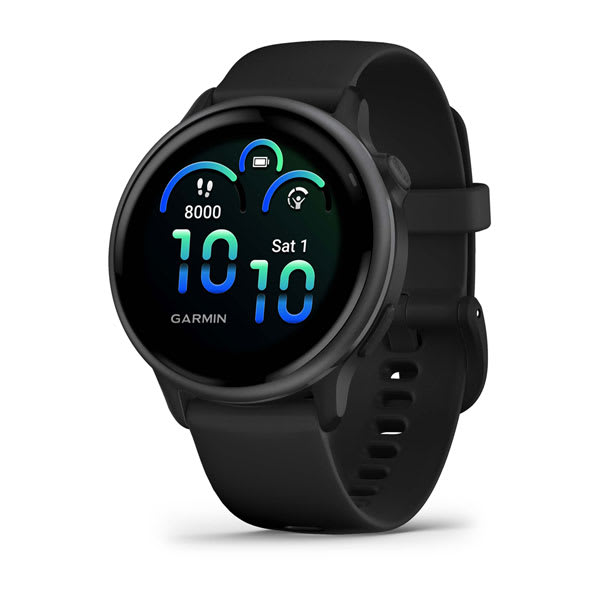
For most athletes, the Garmin vívoactive 6 is the safest all-round choice — deep training tools, no subscription, 11-day battery. iPhone owners who want a full smartwatch should look at the Apple Watch Series 11; Android users at the Galaxy Watch 9. Recovery obsessives belong with the Whoop 5.0, sleep optimizers with the Oura Ring 5, and budget buyers with the Xiaomi Smart Band 10.
| Tracker | Best for | Battery | Price |
|---|---|---|---|
| Garmin vívoactive 6 | Overall fitness | 11 days | $299.99 |
| Apple Watch Series 11 | iPhone users | 24 hours | $399 |
| Samsung Galaxy Watch 9 | Android users | Multi-day | $379.99 |
| Fitbit Air | Screenless simplicity | 7 days | $99.99 |
| Whoop 5.0 | Recovery tracking | 14+ days | $199/yr |
| Xiaomi Smart Band 10 | Budget | 14+ days | ~$53 |
| Huawei Watch Fit 5 Pro | Value smartwatch | 7–10 days | ~$150 |
| Oura Ring 5 | Sleep tracking | 6–9 days | $399 |
| Withings ScanWatch Light | Hybrid style | 35 days | ~$200 |
Best Overall: Garmin vívoactive 6
The vívoactive 6 is the strongest choice when exercise matters more than wrist notifications. Eighty-plus built-in sports apps, Body Battery, sleep coaching, HRV status, and Garmin Coach training plans give runners and multisport athletes more structure than any basic tracker — with zero subscription gating any of it. Eleven days of battery means you train for weeks without thinking about a charger.
It works with both iPhone and Android and looks like a conventional smartwatch, though its app ecosystem is thinner than Apple’s or Google’s. At $299.99, it is the easiest recommendation in fitness tracking to justify.
Best for iPhone Users: Apple Watch Series 11
For iPhone owners who want fitness data plus a full smartwatch, the Series 11 remains the most complete package. Sleep stages and sleep scores, ECG, heart-rate and sleep-apnea notifications, and temperature sensing sit alongside the broadest app ecosystem in wearables — and at $399 it costs less than a Garmin Fenix while doing far more beyond workouts.
The compromise is charging: 24 hours of normal use means a daily top-up, though 15 minutes buys 8 hours. If you will actually wear it to bed for sleep tracking, plan your charging around it.
Best for Android Users: Samsung Galaxy Watch 9
The Galaxy Watch 9 is the natural Android answer — workout data, sleep insights, apps, and messages in one watch, with Samsung Health’s coaching, Energy Score, and personalized training guidance. The updated Snapdragon Wear Elite platform keeps everything fluid, and from $379.99 it undercuts the Apple equivalent.
The fine print matters: some features need Android 13+, a Samsung account, or a Galaxy phone specifically, and the Vitals baseline needs nights of sleep data before it becomes useful. Within Samsung’s ecosystem, though, it is the complete package.
Best Screenless Simplicity: Fitbit Air
The Fitbit Air is built for screen fatigue — an ultra-slim band at just 5 grams that tracks activity, heart rate, and sleep without ever interrupting you. Months of real-world testing showed step counts matching baselines and optical heart rate within 1–2 BPM of a chest strap during hard intervals, which is remarkable at $99.99.
Google’s Gemini-powered AI Health Coach turns your data into plain-language recovery advice, but it needs Google Health Premium at $9.99 a month. The core tracking stays free, the 7-day battery is forgettable in the best way, and you can wear a real watch on the same wrist.
Best Recovery Tracking: Whoop 5.0
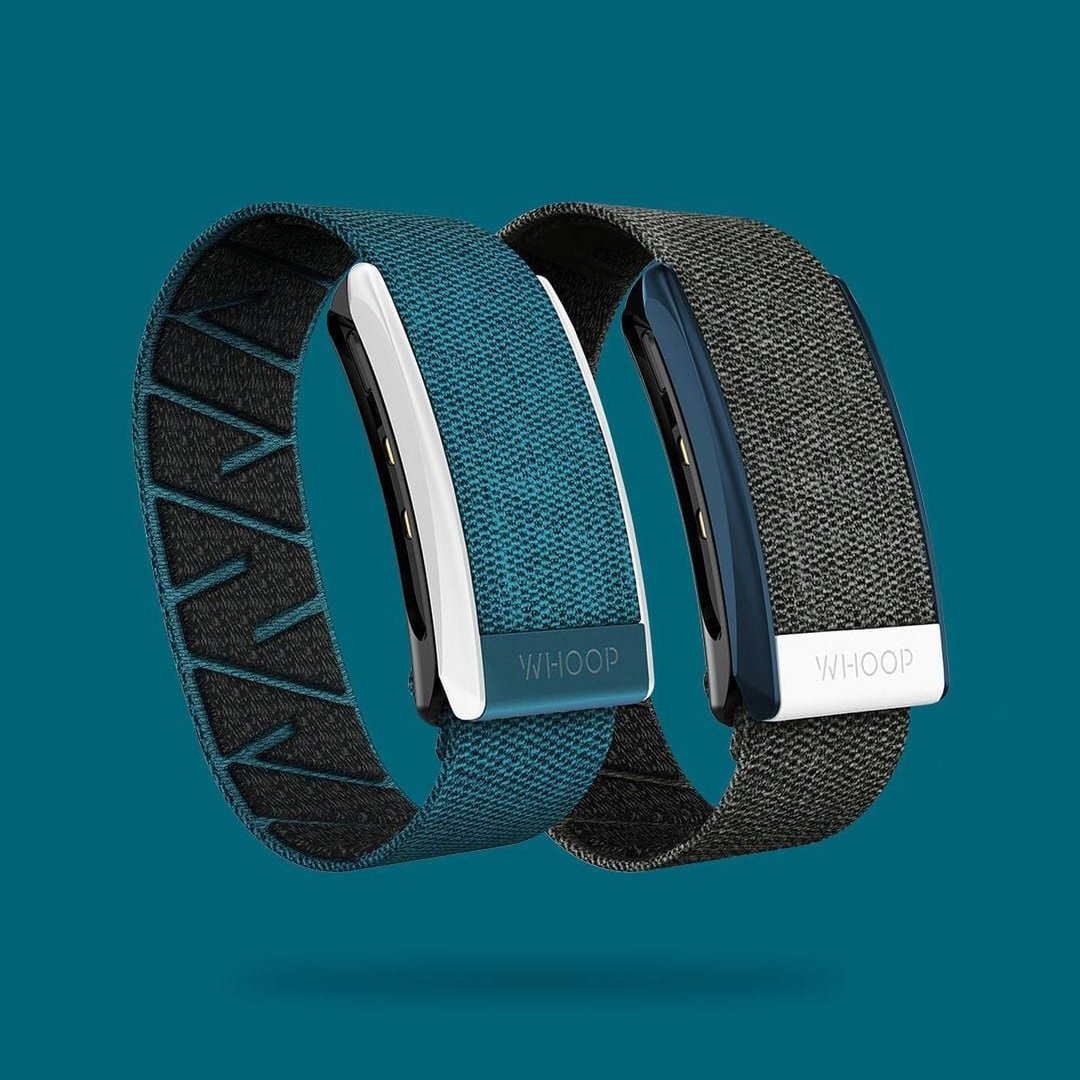
Whoop 5.0 is the pinnacle of screenless, recovery-focused tracking. Fourteen-plus days of battery, strain and recovery scores, Healthspan and Pace of Aging metrics, and blood pressure insights turn continuous biometric monitoring into a longevity dashboard — no screen, no notifications, just data. The optional MG model adds ECG and AFib detection.
There is no way around the membership: from $199 a year, and the band stops collecting data the day it lapses. This is a tool for athletes committed to optimizing recovery, not for anyone who just wants to count steps. See more wearables in our top tech accessories of 2026.
Best Budget Band: Xiaomi Smart Band 10
The Smart Band 10 is the undisputed king of budget tracking at around $53. A larger, brighter AMOLED display that feels premium, reliable step and sleep tracking, 24/7 heart rate, SpO2 monitoring, and a two-week battery deliver roughly 90 percent of the Fitbit experience for 30 percent of the price.
The companion app is busier than Fitbit’s and the data presentation less polished, but at this price those are footnotes. For a first tracker — or a gift — nothing else comes close.
Best Value Smartwatch Tracker: Huawei Watch Fit 5 Pro
The Watch Fit 5 Pro packs features usually reserved for watches twice its price: dual-frequency GPS, offline mapping, ECG analysis, and a bright 1.82-inch AMOLED, all presented through Huawei’s clear subscription-free Health app. Seven to ten days of battery seals the value argument.
Third-party apps are limited, contactless payments are scarce outside Asia, and US trade restrictions limit availability — Amazfit is the stateside alternative. Where you can buy it, it is the value pick of the year.
Best Sleep Tracking: Oura Ring 5
If sleep is the reason you are buying, buy a ring. The Oura Ring 5’s sleep staging carries the strongest independent validation in wearables — 75 to 91 percent agreement with clinical polysomnography — and a ring is simply more comfortable overnight than any watch you must remember to charge before bed. Bloodwork insights and contextual tags add genuinely useful depth.
At $399 plus $5.99 a month for full analytics, it is a premium commitment for a single-purpose device. But nothing on the wrist tracks sleep better.
Best Hybrid Style: Withings ScanWatch Light
The ScanWatch Light is for people who want a watch first and a tracker second. Its classic round face, stainless steel case, and grayscale OLED display look like an everyday timepiece — while quietly tracking heart rate, sleep, and activity underneath. And the battery lasts up to 35 days.
There is no built-in GPS, no ECG, no SpO2, and no app ecosystem to speak of. What it does, it does elegantly and for over a month per charge — the anti-smartwatch smartwatch.
How to Choose Among the Best Fitness Trackers in 2026
Start with your phone: Apple Watch needs an iPhone, the Galaxy Watch 9 is most complete with Samsung Health, while Garmin, Fitbit, and Whoop work across both platforms. Then choose your charging rhythm honestly — a tracker you forget to wear cannot build a useful trend line, so Apple’s daily cycle, Fitbit’s weekly one, and Garmin’s multi-week endurance are lifestyle decisions, not spec comparisons.
Decide whether you need a screen: screens help you follow pace, intervals, and maps without your phone, while screenless bands and rings are quieter and more comfortable for sleep. Finally, price the whole experience — subscriptions, replacement bands, coaching tiers — because a cheaper device is not cheaper if its best insights hide behind a plan you did not want.
Subscriptions: The Real Running Cost
The hardware sticker is not the price — the running cost is. Whoop starts at $199 a year with no separate hardware price; Oura adds $5.99 a month to $399 of hardware; Fitbit’s AI coaching needs Google Health Premium at $9.99 a month. Garmin stands alone in charging nothing beyond the watch: Body Battery, Training Readiness, and HRV Status are all free, with an optional $6.99 Connect+ tier that only adds extras.
Hume, Amazfit, Samsung’s Galaxy Ring, and RingConn similarly keep your data free of mandatory fees. Before buying, add up two years of total cost — the ranking often flips.
Battery Life and Charging
Battery life now spans from a single day to over a month. Screenless bands and hybrids lead: the Withings ScanWatch Light manages 35 days, the Ultrahuman Ring PRO 15, Whoop 5.0 and Xiaomi Smart Band 10 over 14 each, and the Garmin vívoactive 6 up to 11. Full smartwatches cluster at the bottom — the Apple Watch Series 11 needs daily charging.
The expert advice is simple: pick a charging cycle that fits your life. Consistency beats headline battery — the best tracker is the one that is actually on your wrist, charged, every morning.
Frequently Asked Questions
Which fitness trackers don’t require a subscription?
Garmin (all core metrics free), Hume, Amazfit, Samsung Galaxy Ring, RingConn, and Polar keep your data subscription-free. Fitbit’s core tracking is free, but AI coaching and training plans need Google Health Premium.
Fitness band vs. watch vs. ring: which is best?
Bands are slim and light for 24/7 wear; smartwatch trackers add engaging screens and apps; rings and screenless bands collect data most discreetly. Form factor is the biggest single choice — pick the one you will actually wear every night.
Is a ring or a watch better for sleep tracking?
A ring. The Oura Ring 5 has the strongest independent sleep-staging validation in wearables, and rings are far more comfortable overnight than a watch you must charge around bedtime.
Are fitness trackers accurate?
Step counts and heart rate are reliable enough for everyday trends on all major trackers. Treat calorie burn and blood-pressure estimates as rough guidance, not medical measurements — and expect mixed heart-rate accuracy during intense intervals on sub-$200 devices.
Which fitness tracker has the best battery life?
The Withings ScanWatch Light at up to 35 days, followed by screenless bands like Whoop 5.0 and Xiaomi Smart Band 10 at 14+ days. Full smartwatches like the Apple Watch need charging every day or two.
Do I need an iPhone for an Apple Watch?
Yes — the Apple Watch requires an iPhone to set up and use. Android users should look at Fitbit, Garmin, or the Galaxy Watch instead.
What is the best fitness tracker for running under $400?
The Garmin Forerunner 70 or 170: buy-once sport watches with on-device running metrics and adaptive coaching plans, no subscription. The COROS PACE 4 adds dual-frequency GPS with even better GPS battery life at $249.
Should I just buy a smartwatch instead?
They solve different problems. Smartwatches offer richer apps, communications, and GPS workflows; a focused band or ring is lighter, cheaper, easier to wear overnight, and often lasts weeks per charge.
Our Verdict
Match the category to your training, not the spec sheet to your wishlist. Multisport athletes who refuse subscriptions belong with Garmin; recovery obsessives with Whoop; sleep optimizers with Oura; iPhone loyalists with Apple Watch; and everyone watching their wallet with Xiaomi or Fitbit. The best fitness tracker of 2026 is the one you will wear, charge, and check every week — consistency builds the record, not hardware.
