

Finding the best noise-cancelling headphones 2026 has to offer comes down to one question: what are you trying to silence? Plane engines, office chatter, and subway rumble each favor different strengths, and the price spread — from $79 to $549 — hides genuine bargains. We merged five major buying guides, compared lab measurements and real-world testing, and rebuilt everything into one complete resource. For more top-rated tech, browse our best gadgets in 2026.
The Best Noise-Cancelling Headphones of 2026 at a Glance
The near-unanimous overall winner is the Sony WH-1000XM6 — the best blend of cancellation, sound, microphone clarity, and battery. Frequent flyers who want the deepest silence should take the Bose QuietComfort Ultra 2nd Gen instead. Audiophiles belong with Sennheiser, Apple loyalists with the AirPods Max 2, and budget buyers have never had it better, with the JBL Tune 770NC delivering flagship-grade value at $99.
| Headphones | Best for | Battery (ANC on) | Price |
|---|---|---|---|
| Sony WH-1000XM6 | Overall | 30 hours | $499 |
| Bose QC Ultra (2nd Gen) | Pure ANC / travel | 30 hours | $449 |
| Sennheiser HDB 630 | Sound quality | — | $499.95 |
| Apple AirPods Max 2 | Apple ecosystem | 20 hours | $549 |
| JBL Tour ONE M3 | Features | — | $349 |
| Sennheiser Momentum 4 | Battery + sound | 60 hours | $289 |
| Sony WH-CH720N | Under $100 | 35 hours | $98 |
| Sony WF-1000XM6 | Earbuds | 8 hours + case | ~$299 |
What Is Noise Cancelling and How Does ANC Work?
Active noise cancellation uses destructive interference: microphones listen to the outside world and the headphones generate inverse sound waves that cancel the noise out. It makes things dramatically quieter — not mute — and works best on low-frequency drone like engines, fans, and HVAC hum, while the physical ear-cup seal (passive isolation) handles the rest.
One caution worth knowing: ANC does not make loud environments safe. Keep exposure under 85dB regardless, and give your ears regular breaks — especially children’s. If strong ANC ever gives you a “pressure” headache, switching to transparency mode almost always fixes it.
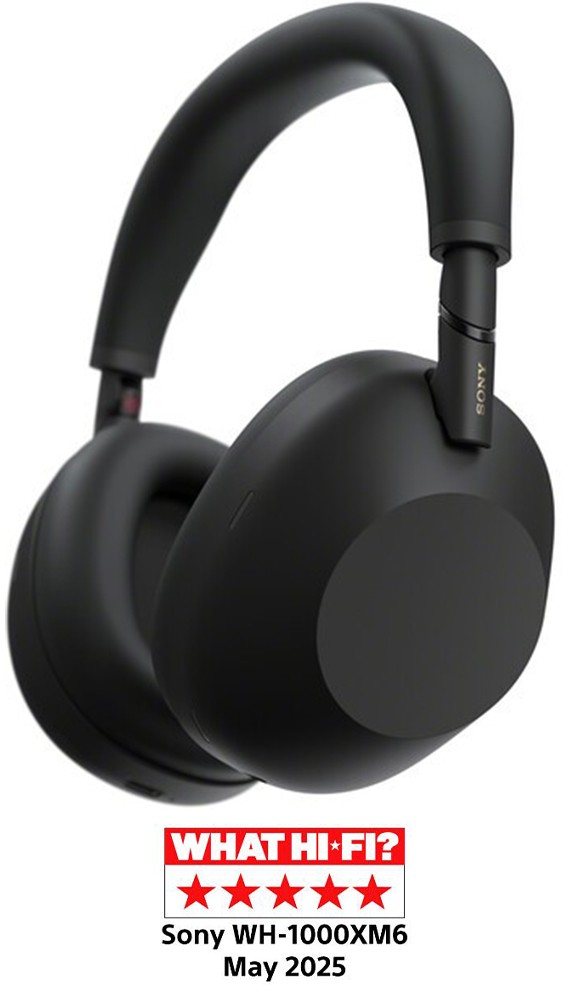
Best Overall: Sony WH-1000XM6
The XM6 is the consensus pick of Tom’s Guide, Wirecutter, RTINGS, SoundGuys, and nearly every other major outlet — a rare near-unanimity. Its QN3 processor runs seven times faster than the previous generation’s, driving a 12-microphone array that adapts cancellation continuously as you walk from a quiet hallway into a loud station. Measured ANC of around 26dB pairs with the top microphone-clarity rating in RTINGS’ testing, making it the best choice for Zoom and Teams calls too.
Thirty hours of battery, LDAC hi-res wireless, multipoint connections, and a returned folding hinge complete the package at $499. The main rival for outright silence is Bose — but for the best total blend of cancellation, sound, calls, and features, this is the one.
Best Pure ANC: Bose QuietComfort Ultra (2nd Gen)
If your priority is the deepest possible silence, Bose wins on the measurements: roughly 32dB of attenuation across 100–1000Hz, the strongest low-frequency cancellation any lab has recorded. On long-haul flights, buses, and subways it creates what reviewers call a “bubble of silence” — remarkably consistent across environments, with large dense ear pads adding excellent passive seal.
The second generation adds 30-hour battery, USB-C lossless audio, aptX Lossless, and a Cinema Mode for films, at $449. Sound quality trails Sony and Sennheiser slightly, and the app is simplistic — but for frequent flyers and commuters, nothing else disappears into quiet like this.
Best Sound Quality: Sennheiser HDB 630
The brand-new HDB 630 is the audiophile’s answer to the Sony-versus-Bose debate. Its tuning beats both on pure musicality, and it sidesteps Bluetooth codec compromises entirely with an included USB-C adapter for higher-bitrate wireless audio. ANC is a clear step up from the Momentum 4 Wireless, though still behind the two leaders.
At $499.95 it costs slightly more than Sony or Bose while offering weaker cancellation and a less beginner-friendly experience. Buy it for the music, not the silence.
Best for Apple Users: AirPods Max 2
The second-generation AirPods Max brings Apple’s H2 chip to the over-ear line, delivering a claimed 1.5x more effective cancellation alongside Adaptive Audio, Conversation Awareness, and Voice Isolation. The aluminum cups, mesh canopy, and Digital Crown remain the most luxurious build in the category, and integration with iPhone, iPad, and Mac is seamless.
At $549 and 386g it is the heaviest and priciest pick here, with only 20 hours of battery and no LDAC or aptX. Unless you live deep in Apple’s ecosystem, Sony and Bose match the silence for less. See more Apple-friendly gear in our 10 best gadgets of 2026 worth buying.
Best Features: JBL Tour ONE M3
The Tour ONE M3 is the future-proof pick. Its standout trick is the SMART Tx accessory — a transmitter that shares audio over Auracast to multiple devices or pulls sound from analog sources like airplane seatbacks. Cancellation sits within a couple of percent of the AirPods Max, and the companion app fixes most sound-tuning complaints.
It is often discounted but rarely enough to be a pure value buy. Choose it if you want the most forward-looking feature set rather than the absolute best ANC or sound.
Best Battery Life: Sennheiser Momentum 4 Wireless
Sixty hours. That is double Sony and Bose, and it fundamentally changes how you use headphones — charge it roughly once a month. Sound quality sits ahead of the mainstream pack too, with an audiophile-leaning tuning that reviewers consistently praise.
ANC is good rather than class-leading, and the understated design will not turn heads. At around $289 street price, it is the pick for listeners who rank sound and stamina above silence.
Best Value Flagship: Sony WH-1000XM5
Three years old and still brilliant: the XM5 delivers roughly 95 percent of the XM6’s real-world performance at $279–$299 on sale — half the price. Thirty-hour battery, excellent ANC, LDAC, and Speak-to-Chat remain fully competitive, making it the smartest buy in the entire category.
The non-folding design and bulkier case are the only real compromises. If your budget tops out under $300, stop looking and buy these — preferably refurbished, where they often drop 30 percent further with identical sound.
Best Budget Picks: JBL Tune 770NC, Sony WH-CH720N, Edifier W820NB Plus
Budget ANC has never been this good. The $99 JBL Tune 770NC is the strongest dollar-for-dollar value in wireless headphones — 44 hours with ANC on, multipoint, and genuinely effective cancellation. The $98 Sony WH-CH720N borrows chip technology from models twice its price, weighs just 192g, and stretches to 35 hours. The $79.99 Edifier W820NB Plus adds LDAC and USB wired audio with natural, well-balanced tuning.
Expect real compromises: weaker low-frequency cancellation than flagships, plasticky builds, and merely adequate microphones. For students, offices, and first-time buyers, though, these deliver 80 percent of the experience for 20 percent of the money.
Best Noise-Cancelling Earbuds: Sony WF-1000XM6
Over-ears win on outright silence, but the WF-1000XM6 is the best ANC you can fit in a pocket. Sony claims 25 percent less noise than its predecessor, with four microphones per bud and the QN3e processor delivering the strongest earbud cancellation testers have heard. Sound is detailed and balanced, and the redesigned shape fits more ears comfortably.
iPhone owners should weigh the AirPods Pro 3 instead — slightly weaker blocking, but pairing, Find My, and device switching within Apple’s world are unmatched. Commuters and gym-goers who want maximum isolation in minimum size: Sony.
Over-Ear vs In-Ear: Which Should You Buy?
Over-ears win noise cancellation — especially low frequencies like trains, planes, and air conditioning — plus longer battery and long-session comfort, at the cost of bulk. Earbuds are portable, exercise-friendly, and good enough for desks and walking; with memory-foam tips they block a surprising amount passively.
The rule of thumb: regular public-transport commuters and flyers should go over-ear; desk workers and walkers are fine with earbuds. Nobody needs both unless the commute demands it.
What to Look For When Buying
Battery life first: 30-plus hours is the premium over-ear standard, and anything under 20 is a red flag. Then microphones — they matter more than ANC if you take calls, and Sony’s arrays consistently top independent testing. Comfort decides long sessions more than peak cancellation does; anything over 300g makes itself felt after 90 minutes.
Codecs affect wireless music quality more than most buyers realize: LDAC for Android hi-res, aptX for Snapdragon devices, AAC for Apple — and they do not cross over, so match the codec to your phone. Multipoint (phone plus laptop simultaneously) is now standard on flagships and worth insisting on, as is a wired fallback for airplane seatback entertainment.
Are Noise-Cancelling Headphones Worth It?
Yes — if you commute, fly four or more times a year, work in an open-plan office, take video calls in shared spaces, or struggle to focus through ambient noise. A $300 pair used daily for three years costs about 27 cents a day, making it among the highest-ROI personal tech purchases for commuters and remote workers. ANC measurably reduces background-noise fatigue; most owners never go back.
Skip them for quiet home-only listening, or whenever you need full awareness — cycling, driving, busy streets. And under $80, honest passive isolation beats fake “ANC” every time.

Frequently Asked Questions
Which headphones have the strongest noise cancellation?
The Bose QuietComfort Ultra 2nd Gen measures strongest at around 32dB in the key 100–1000Hz range. The Sony WH-1000XM6 runs a close second with superior mid-frequency cancellation of voices and keyboards.
Sony or Bose — which is better?
Genuinely close. Bose edges raw cancellation and comfort; Sony wins sound quality, features, microphone clarity, and value. Frequent flyers lean Bose; everyone else leans Sony — neither choice is wrong.
What’s the difference between ANC and noise cancelling?
“Noise cancelling” is the category; ANC (active noise cancellation) is the technology — microphones plus inverse sound waves. Every quality pair uses ANC; beware cheap models advertising “ANC” that deliver only passive isolation.
Are noise-cancelling headphones worth it under $100?
Yes, with realistic expectations. The Sony WH-CH720N ($98) and JBL Tune 770NC ($99) deliver solid everyday cancellation for offices and study — just don’t expect airplane-cabin silence.
Over-ear or in-ear for noise cancelling?
Over-ear for maximum cancellation, battery life, and long-session comfort. In-ear for portability and exercise. Memory-foam tips narrow the gap considerably for earbuds.
Can you sleep in noise-cancelling headphones?
Technically yes, but over-ears and standard earbuds are not designed for it. Purpose-built options like the Soundcore Sleep A20 sit flush and play white noise without needing your phone.
Which has the longest battery life?
The JBL Tune 770NC at 70 hours (ANC off) / 44 hours (ANC on) among mainstream picks; the Sennheiser Momentum 4 hits 60 hours; Sony and Bose flagships manage 30.
Do Bluetooth codecs matter?
Yes for wireless music quality: LDAC on Android for hi-res, aptX on Snapdragon devices, AAC for Apple. They don’t cross over — match the codec to your phone or you’re leaving quality on the table.
Can they connect to my phone and laptop at once?
Most flagships support multipoint — Sony, Bose, JBL, and Sennheiser all do. Note that LDAC can drop on some models when multipoint is engaged.
Is buying refurbished worth it?
Yes for premium models. A refurbished Sony WH-1000XM5 often costs 30 percent less and sounds identical, with 30-day returns and a 12-month warranty from reputable sellers.
Our Verdict
Most buyers should get the Sony WH-1000XM6 — the best balance of cancellation, sound, calls, and battery in 2026. Choose the Bose QuietComfort Ultra 2nd Gen for the deepest silence on flights, the AirPods Max 2 if you’re all-in on Apple, and the JBL Tune 770NC if your budget stops at $99. Whatever you pick, buy for the noise you actually live with — and enjoy the quiet.
