

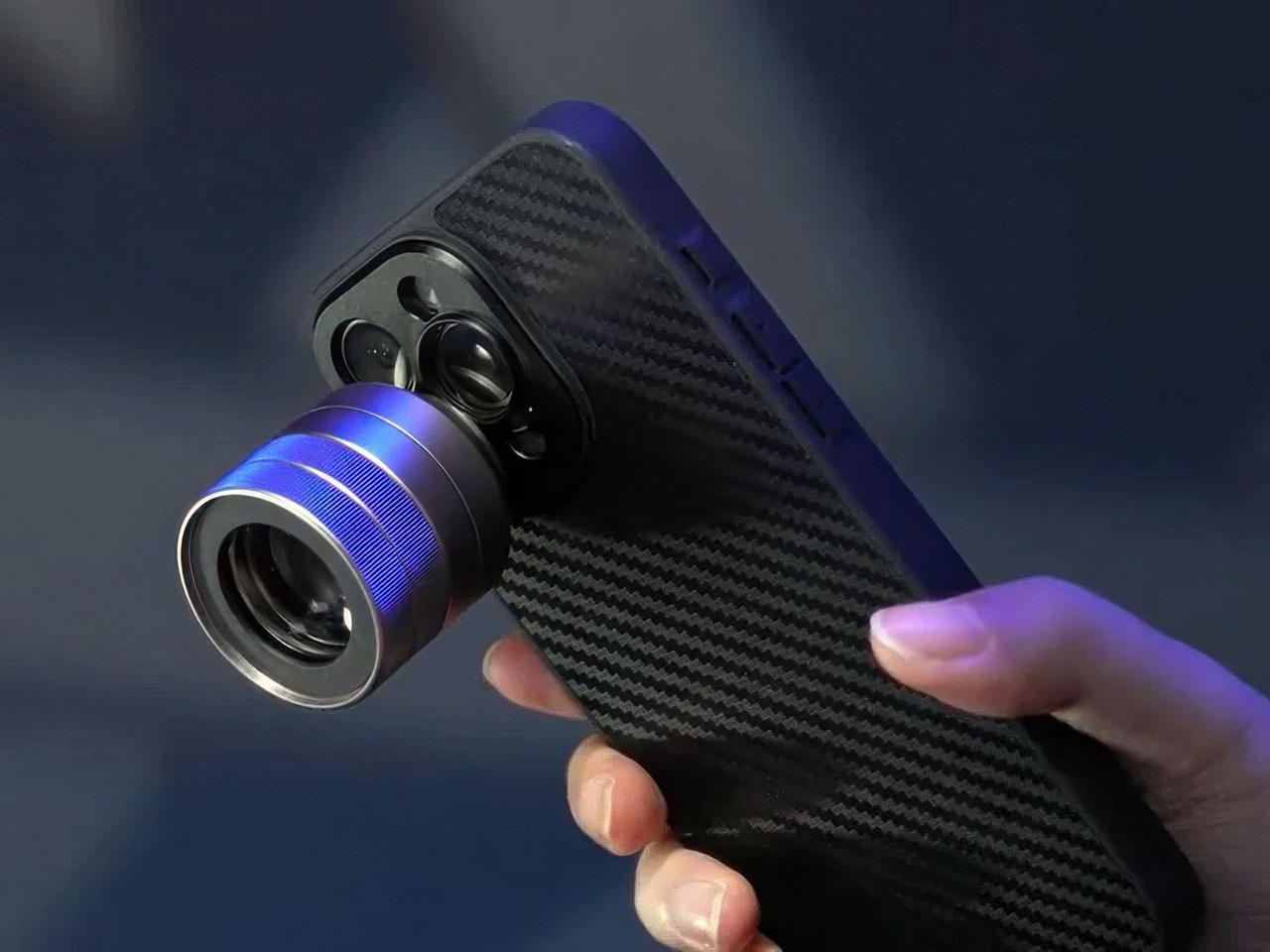
Finding the best iPhone camera lenses 2026 has to offer is the fastest way to take your mobile photography from good to genuinely impressive. Apple’s built-in glass is excellent, but clip-on telephoto, macro, wide-angle and anamorphic attachments unlock shots the native cameras simply cannot reach — from extreme close-ups of insects to cinematic widescreen video with real lens flare.
We have pooled the findings of 2026’s most thorough lens roundups and hands-on reviews — covering Moment, Sandmarc, Sirui, ShiftCam, Apexel, Xenvo and NEEWER — to build one definitive buying guide. Below you will find twelve picks across every budget, plus honest guidance on mounts, cases and shooting technique.
Quick Picks: The Best iPhone Camera Lenses at a Glance
- Best telephoto: Moment 75mm Telephoto — true 2.5x optical zoom, the sharpest add-on telephoto you can buy.
- Best for filmmakers: Moment 1.33x Anamorphic (T-Series) — authentic widescreen footage with blue or gold flares.
- Best wide-angle: Moment Wide 18mm — crisp, distortion-free frames for vlogging and landscapes.
- Best macro: Moment Macro 10x — stunning close-up detail for jewellery, food and nature.
- Best value anamorphic: Sandmarc 1.33x Anamorphic — cinematic flares at a friendlier price.
- Best clip-on anamorphic: Sirui VD-01 1.33x — no special case required, Schott glass construction.
- Best value telephoto: ShiftCam 60mm Telephoto — around 80% of the Moment’s quality at half the price.
- Best multi-lens kit: ShiftCam V.Series Director’s Kit — 16mm wide, 60mm tele, 75mm macro and 200° fisheye in one case.
- Best extreme zoom: Apexel 36x Telephoto — moon and wildlife photography from your pocket.
- Best budget creative kit: Apexel 10-in-1 Lens Kit — four lenses and six filters for experimentation.
- Best starter kit with light: Xenvo Pro Lens Kit — 0.45x wide, 15x macro and a rechargeable LED.
- Best for tinkerers: NEEWER PRO lens line — threaded optics with proper filter support.
Best Telephoto iPhone Lenses: Moment 75mm Leads the Pack
The Moment 75mm Telephoto remains the benchmark for iPhone telephoto attachments in 2026. It delivers true 2.5x optical magnification on top of your iPhone’s own zoom, and testers consistently call it the sharpest add-on telephoto available — portraits, concerts, sports and travel shots all benefit enormously. If you have not yet chosen your handset, pairing premium glass like this with a top-tier sensor makes a real difference; our guide to the best camera phones for photos, video and zoom in 2026 ranks the devices whose cameras reward add-on lenses most.
At around $120 plus a one-time $45 investment in the Moment case, it is not cheap. The lens screws into the case’s bayonet mount, which keeps it perfectly aligned and rock-solid during movement — a meaningful upgrade over spring clips for handheld video. Combined with your phone’s digital zoom, testers report usable image quality out to roughly 12x.
If that ecosystem commitment puts you off, the ShiftCam 60mm Telephoto is the smart alternative at about $60. Reviewers put it at roughly 80% of the Moment’s optical quality for half the money, and its magnetic mount needs no dedicated case. It attaches faster but is less secure than a screw mount, so it suits casual telephoto work rather than run-and-gun filming. For the opposite extreme, the Apexel 36x Telephoto ($69–$79) turns your iPhone into a spotting scope for moon photography and birdwatching — just know it demands the included mini-tripod and good light, and expect some colour fringing at the edges.
Best Wide-Angle and Fisheye Lenses for iPhone
Wide-angle attachments (typically 14–18mm) pull in extra context without you stepping back — ideal for tight interiors, group shots and landscapes. The Moment Wide 18mm is the premium choice: aerospace-grade metal, optical-grade glass, and impressively crisp frames from centre to edge with minimal distortion. At $150–$160 it is a serious single-purpose investment, and owners of the newest iPhones may find their native ultra-wide already covers much of this ground — but for vloggers and perfectionists, it is the finest wide add-on glass available.
Fisheye lenses trade realism for drama, bending edges into a spherical ~170–220° view that suits action and creative work. The Xenvo Pro’s TruView 0.45x wide lens captures about 45% more picture per snap with no dark corners, while NEEWER’s LS-29 PRO 8mm fisheye (220° field of view, just 60g) and LS-57 (200° fisheye with a spherical VR-style perspective) give you dramatic distortion for very little money. All are built from multi-coated optical glass in aluminium housings, and NEEWER’s prices keep them firmly in impulse-buy territory.
Best Macro Lenses for iPhone: Tiny Worlds, Revealed
Macro attachments let you focus inches from your subject, revealing textures in flowers, food, jewellery and insects that the naked eye misses. The Moment Macro 10x ($80 plus the Moment case) is the detail king — testers praise its resolving power on everything from product shots to nature close-ups.
NEEWER’s PRO line gives you two excellent alternatives. The LS-26 PRO 105mm macro uses its long focal length to keep extra distance between you and skittish subjects like insects, while the LS-28 PRO 10x macro weighs only 45g and ships with a removable diffuser for shadow-free, evenly lit close-ups. The Xenvo Clarus 15x macro focuses from roughly half an inch away with razor-crisp results, and the ShiftCam V.Series kit includes a 75mm macro for minute details. For the truly obsessed, NEEWER’s LS-32 PRO is a 45x pocket microscope with a built-in LED (two brightness levels) and zero-distance shooting — it turns your iPhone into a field microscope.
Best Anamorphic Lenses for Cinematic iPhone Video
Anamorphic glass squeezes a wider frame onto your sensor; de-squeeze it in post and you get a true 2.40:1 widescreen image with signature horizontal flares and oval bokeh — the look of Hollywood productions. The Moment 1.33x Anamorphic (T-Series) is the definitive option: aerospace-grade metal, hand-polished glass, flares in blue or gold, and a full-sensor 2.40:1 frame with no cropping. Footage stays squeezed until you de-squeeze it in the Moment Pro Camera app or in editing, and the current T-Series needs a Moment case with a drop-in mount (fitting iPhone 14 and newer; M-Series covers older models).
The Sandmarc 1.33x Anamorphic is the value alternative at roughly $130, with gold flares, multi-coated anti-reflective glass and de-squeeze support in Blackmagic Camera or Filmic Pro — plus Sandmarc’s own app with manual controls and film-emulation presets. It mounts via a universal clip or a case mount for specific iPhone models. Sirui’s VD-01 1.33x is the best clip-on anamorphic: Schott optical glass in an aircraft-aluminium housing, screwing into an included smartphone clip, with de-squeeze in Sirui’s lens app or Filmic Pro. For rig-based shooters, the Beastgrip Pro 1.33x MK2 and Moondog Labs 1.33x (37mm thread, or a bayonet version fitting Moment, Sirui and RhinoShield cases) are well-regarded specialist options, while NEEWER’s LS-75 1.55x delivers a wider 2.76:1-style frame with retro blue streak flares at a budget price.
One honest caveat from every reviewer: anamorphic is a workflow commitment, not a casual accessory. If you will not change apps or de-squeeze in post, stick to spherical lenses.
Best Multi-Lens Kits and Bundles for iPhone
If you want several focal lengths in one purchase, the ShiftCam V.Series Director’s Kit is the most capable bundle: a 16mm wide-angle, 60mm telephoto, 75mm macro and 200° fisheye, plus magnetic variable ND, black mist and circular polariser filters in an aluminium case. Mount them on your main 1x camera and switch off automatic camera switching so the phone does not jump lenses mid-shot. Note they need a compatible mount — they do not clip on bare.
The Apexel 10-in-1 Lens Kit ($97–$103) is the experimentation champion: four lenses (wide, telephoto, fisheye, macro) plus six screw-on filters including a polariser, starburst and kaleidoscope effects, with a universal clip and zippered travel case. The 15x macro is a genuine highlight; the trade-off is plastic optics that cannot match premium glass for edge sharpness, with some vignetting. The Xenvo Pro Lens Kit pairs a 0.45x wide and 15x macro with a rechargeable GlowClip LED fill light (three brightness levels), a quick-release lanyard and a hard travel case — the best starter bundle for beginners. And if you are just testing which focal lengths you actually use, NEEWER’s budget kits bundle wide, macro and fisheye for under $50.
Clip, Bayonet or Magnetic? Mounting Systems Explained
How a lens attaches matters as much as the glass itself. Spring-clip mounts grab your phone’s edge and centre the lens optically — universal and quick to swap, but they can shift during handheld video or walking shots. Bayonet systems (Moment’s twist-lock, Moondog Labs’ bayonet version) lock into dedicated cases or rings and stay put during movement; for vlogging or active shooting, bayonet wins, at the cost of committing to a case ecosystem. Magnetic mounts (ShiftCam’s 60mm, ShiftCam filter sets) attach fastest of all and need no case, but are the least secure of the three.
Whichever you choose, the lens must sit perfectly centred over your iPhone’s camera. Misalignment causes vignetting (dark corners) and soft edges — the single most common reason beginners get disappointing results from add-on glass.
Pairing Lenses with the Right iPhone Case
Here is the compatibility trap most buyers miss: thick cases block clip-on lenses. If your case sits more than about 1mm above the camera ring, clips cannot grip properly and you will get vignetting or soft corners. The fix is simple — shoot with a slim case, or remove the case during shoots. Our roundup of the best iPhone 17 cases for 2026 highlights slim options that play nicely with lens clips.
If you are building a proper rig, MagSafe is your friend: magnetic tripod mounts, grips and car holders lock the phone in place without adhesive, so clips do not slide during pans. Dedicated lens cases (Moment, ShiftCam, Sandmarc) integrate the mount into the case itself for the most stable platform — at the price of buying a new case with each phone upgrade, whereas universal clips adapt to any new iPhone.
Budget vs Premium: What Is Actually Worth Paying For?
Lens pricing falls into three clear tiers. Premium ($100–$150 per lens): Moment and Sandmarc deliver sharper edges, better multi-coating (less flare and ghosting), metal housings and glass that holds resale value — the right call if you shoot client work or monetise content, where the quality gap pays for itself. Mid-range ($50–$90): ShiftCam and Sirui offer strong optics with minor compromises — slight edge softness, decent coatings — ideal for travel, YouTube and enthusiastic hobbyists. Budget ($20–$50 kits): NEEWER, Apexel and Xenvo bundle multiple lenses for the price of one premium optic; expect softer edges and more flare, but perfectly good results for social posts and for discovering which focal lengths you reach for before committing to pricier glass.
The smartest strategy, echoed by nearly every reviewer: start budget to learn your style, then upgrade the one focal length you use most to premium glass.
Shooting Tips: Getting Sharp Results from Add-On Lenses
A few habits separate great results from mushy ones. Use a tripod whenever possible — heavy glass on a light phone amplifies shake, and at 36x magnification handheld shooting is effectively impossible. Clean both surfaces before every session: the iPhone lens and the attachment glass, with a microfiber cloth — dust spots and fingerprints ruin frames. Store lenses in a padded pouch with caps on; scratches kill image quality permanently.
Shoot RAW using Lightroom Mobile (free) or Halide — RAW gives far more latitude in post, and Lightroom even carries lens-correction profiles for some Moment lenses. For anamorphic work, plan your de-squeeze step before you shoot: Moment Pro Camera, Filmic Pro, Blackmagic Camera and the Sandmarc app all handle it. Outdoors, screw-on ND filters (Beastgrip’s $50 ND is a popular pick) let you slow the shutter for smooth motion blur. Finally, remember most add-on lenses lack weather sealing — wipe glass down after beach or snow shoots and store everything dry.
What to Look for When Buying iPhone Lenses
Before you buy, run through this checklist drawn from 2026’s major reviews. Compatibility first: confirm the lens fits your exact iPhone model and your case — bayonet systems are model-specific, clips are universal but case-thickness-sensitive. Optical quality: multi-coated glass transmits more light with less flare; more elements in more groups generally means better correction. Intended use: telephoto for portraits and events, wide for landscapes and vlogging, macro for detail, anamorphic for cinematic video — buy for the shots you actually take.
Low-light behaviour: anamorphic and tele attachments have no aperture of their own, so night performance still depends on the phone camera behind them — a wide-aperture main camera matters. Stabilisation: add-on lenses do not stabilise anything; smooth footage still comes from your phone’s stabilisation or a gimbal. Durability: aluminium housings survive bags and travel; water and dust resistance is rare, so check before beach trips. And update policy: check that the mount system supports the newest iPhones before investing in an ecosystem.

Frequently Asked Questions (FAQs)
How do add-on lenses compare to the iPhone’s built-in camera lenses?
Your iPhone’s camera is excellent on its own, but external lenses open creative doors the built-in glass cannot. While the iPhone has its own wide, ultra-wide and telephoto cameras, add-ons deliver even wider views, far closer macro detail, extreme telephoto reach and cinematic anamorphic looks. Think of them as specialist tools: the phone covers everyday shooting, and the attachments handle the shots that need something extra.
Do newer iPhones still benefit from external camera lenses?
Absolutely. Even the latest models gain from add-on glass. The iPhone’s macro mode is solid, but dedicated macro lenses deliver higher magnification and sharper detail for product or nature work. Pairing an add-on telephoto with a newer iPhone’s native tele camera extends reach without the blurry digital crop. And no built-in iPhone camera produces true anamorphic flares — that remains the exclusive territory of attachments.
Which iPhone lens is best for flattering portraits?
A telephoto add-on is the classic portrait choice. The Moment 75mm and Moment 58mm deliver sharp portraits with natural background blur (bokeh) by using real optical magnification rather than software fakery, and the ShiftCam 60mm gets you most of the way there for half the price. The longer focal length also flatters faces more than the wide main camera, which can distort features at close range.
What types of external lenses suit different photography styles?
Match the lens to the shot. Wide-angle (14–18mm) suits landscapes, architecture, interiors and group photos. Telephoto (2x–3x and beyond) covers portraits, sports, concerts and wildlife. Macro lenses reveal tiny details in flowers, insects, food and jewellery. Fisheye lenses create dramatic distorted perspectives for action and creative work. Anamorphic lenses are for filmmakers chasing a widescreen cinematic look with horizontal flares. A microscope lens like NEEWER’s 45x is a niche delight for science and texture lovers.
What are the best budget iPhone lens options?
NEEWER kits bundle wide, macro and fisheye lenses for under $50 — the cheapest way to experiment. The Apexel 10-in-1 kit (around $100) adds a 15x macro and creative filters, while the Xenvo Pro kit pairs wide and macro glass with a rechargeable LED light. The ShiftCam 60mm telephoto ($60) is the best budget single lens. Expect softer edges than premium glass, but for learning your style and posting to social, budget kits are genuinely good value.
Do I need a special case to use add-on iPhone lenses?
Sometimes. Universal clip-on lenses work with slim cases or no case, but thick cases or raised camera rings block alignment and cause dark corners. Bayonet systems (Moment, some ShiftCam and Moondog Labs lenses) require their dedicated cases — a one-time purchase that gives the most secure mount. Magnetic lenses need no case at all. Check your case thickness (under ~1mm above the camera ring is the safe zone for clips) before buying.
What are the best iPhone camera lenses of 2026 overall?
There is no single winner — it depends on your shooting. Aggregated user reviews and hands-on tests converge on the Moment 1.33x Anamorphic as the top-rated lens for filmmakers, the Moment 75mm as the sharpest telephoto, and the Apexel 10-in-1 as the best-value kit for beginners. The right pick is the one matched to the shots you take most: anamorphic for video creators, telephoto for portrait and event shooters, macro for detail lovers.
How were these lenses chosen?
Our picks aggregate findings from 2026’s most detailed lens reviews and roundups, cross-checked against thousands of verified user reviews across major retailers. Products were weighed on optical quality, build, mounting security, compatibility with current iPhones, and value — with distinct winners for distinct uses rather than a single ranked list.
Are these recommendations paid or sponsored?
No. Rankings reflect aggregated review data and hands-on testing notes, not advertiser influence. Like most review publications, we may earn a commission if you buy through links on this page, at no extra cost to you — but that never determines which products make the list.
How often are these recommendations updated?
We review and refresh our accessory recommendations every few months, or sooner when significant new products launch — new iPhone releases often bring new cases and mount systems, which we re-check for compatibility before updating our picks.
The Verdict: Which iPhone Lens Should You Buy?
If you buy one lens, make it the Moment 75mm Telephoto — it is the sharpest, most versatile add-on in 2026. Filmmakers should start with the Moment 1.33x Anamorphic (or the Sandmarc 1.33x to save money). On a budget, the Apexel 10-in-1 or Xenvo Pro kits teach you the craft for very little. And whatever you choose, remember the unglamorous truth every reviewer repeats: clean glass, a tripod and the right mount matter more than the logo on the barrel.
The best iPhone camera lenses of 2026 prove one thing — your phone was already a good camera. With the right glass in front of it, it becomes a genuinely capable one.
